Exterior wall design plays an important role in defining a building’s identity. Today, architects and designers are looking for facade materials that not only provide durability and weather protection but also offer creative freedom in appearance and texture.
HPL wall cladding (High Pressure Laminate wall cladding) has become a popular choice for modern architectural projects because it combines aesthetic flexibility, durability, low maintenance, and excellent outdoor performance. With a wide range of colors, textures, and finishes, HPL exterior panels can be used to create everything from natural-looking facades to bold contemporary designs.
Quick Answer
Modern HPL wall cladding can be designed in many styles, including:
- Wood-look facade designs for natural aesthetics
- Minimalist monochrome exterior walls
- Stone-inspired architectural finishes
- Mixed-material facade combinations
- Geometric panel patterns
- Accent walls and feature facades
- Ventilated facade systems
The flexibility of HPL panels allows designers to create unique building appearances while maintaining long-term durability and easy maintenance.
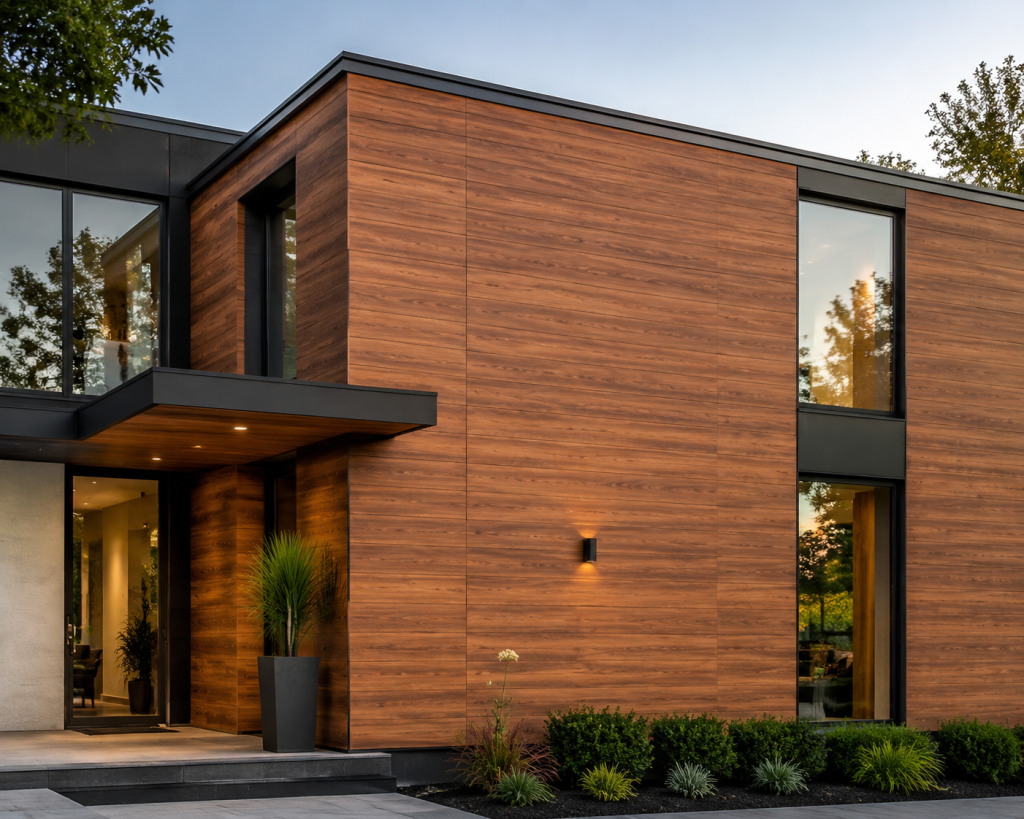
1. Natural Wood-Look HPL Facades
One of the most popular HPL cladding ideas is creating a natural wood appearance without the maintenance challenges of real timber.
Wood-look HPL panels can bring warmth and texture to:
- Residential buildings
- Hotels and resorts
- Office entrances
- Commercial spaces
Compared with traditional wood cladding, HPL panels provide:
- Better resistance to moisture
- Improved UV stability
- Reduced maintenance requirements
- More consistent appearance over time
This design approach is ideal for projects aiming for a balance between natural aesthetics and modern performance.
2. Minimalist Modern Exterior Design
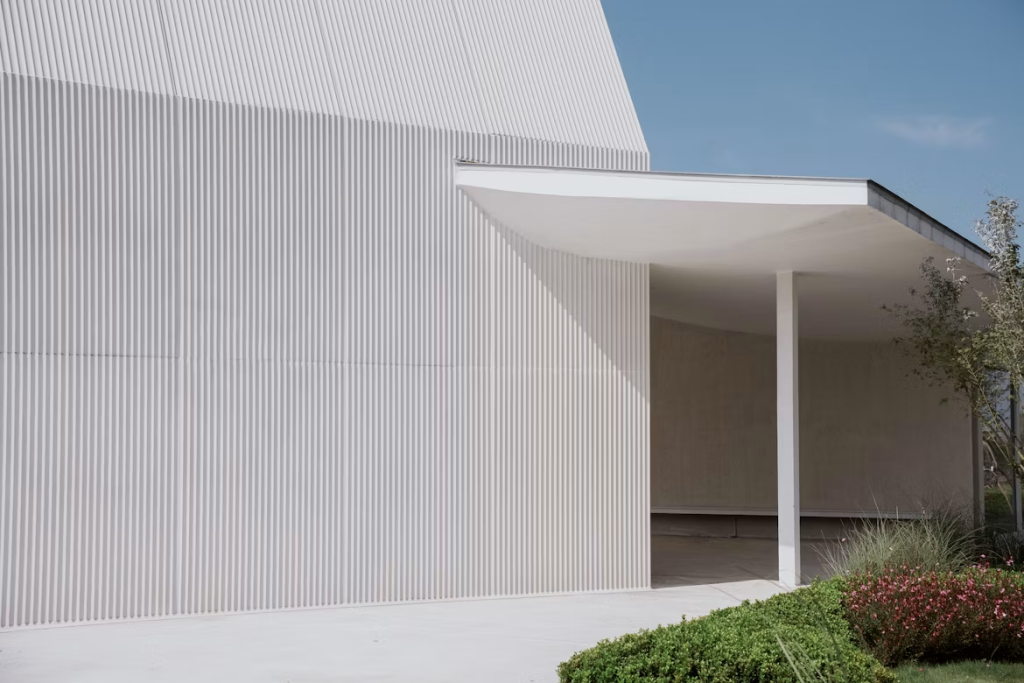
Modern architecture often emphasizes clean lines, simple forms, and neutral colors.
HPL wall cladding can support minimalist designs through:
- Solid-color panels
- Smooth surface finishes
- Large-format panel layouts
- Simple geometric arrangements
Popular design styles include:
- White and gray facades
- Black modern exteriors
- Two-tone color combinations
- Simple horizontal or vertical panel arrangements
This style is commonly seen in contemporary offices, villas, apartments, and commercial buildings.
3. Stone-Inspired HPL Wall Cladding
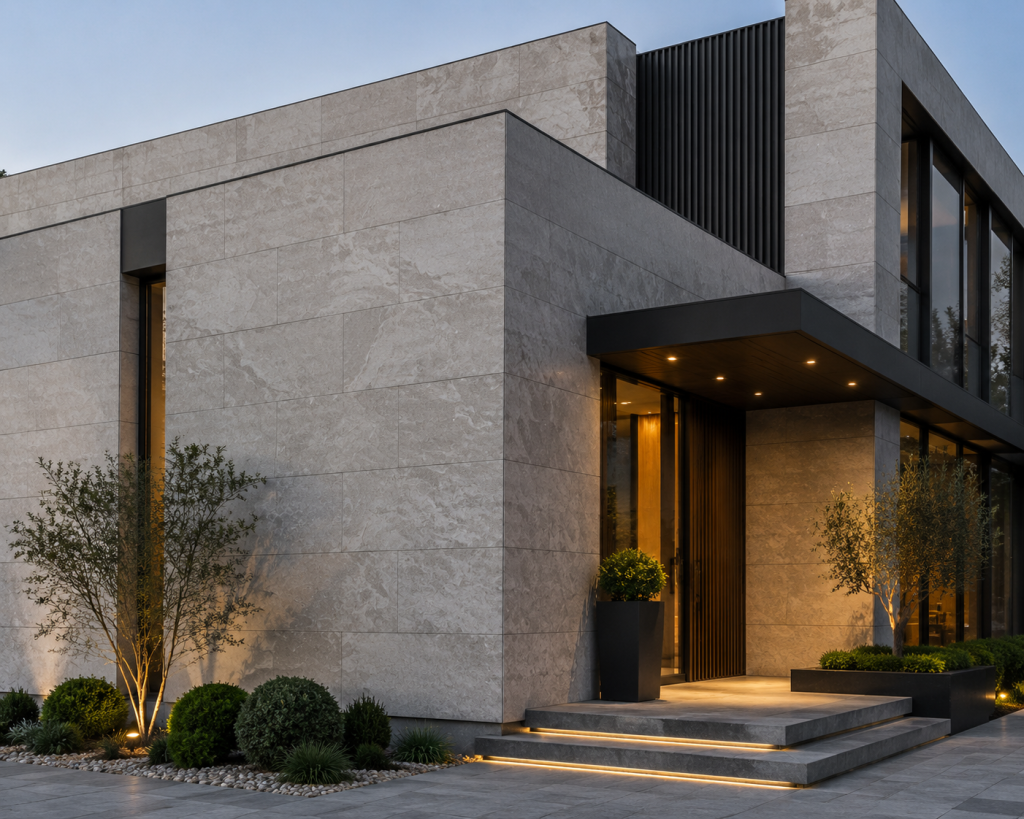
Natural stone creates a premium appearance but can involve high costs, heavy weight, and complex installation.
Stone-look HPL panels provide an alternative by offering:
- Marble-inspired textures
- Granite-style finishes
- Concrete effects
- Natural mineral appearances
They can be used for:
- Entrance areas
- Feature walls
- Luxury residential projects
- Hospitality buildings
This allows architects to achieve a high-end visual effect with easier installation and maintenance.
4. Mixed Material Facade Design
Combining different materials is a popular trend in modern architecture.
HPL cladding can be paired with:
- Glass
- Metal
- Concrete
- Stone
- Wood elements
For example:
- Wood-look HPL panels combined with glass create a warm and modern office facade.
- Dark HPL panels paired with metal elements create an industrial-style exterior.
- Stone-textured HPL panels combined with concrete create a sophisticated urban appearance.
Mixed-material designs help create depth, contrast, and visual interest.
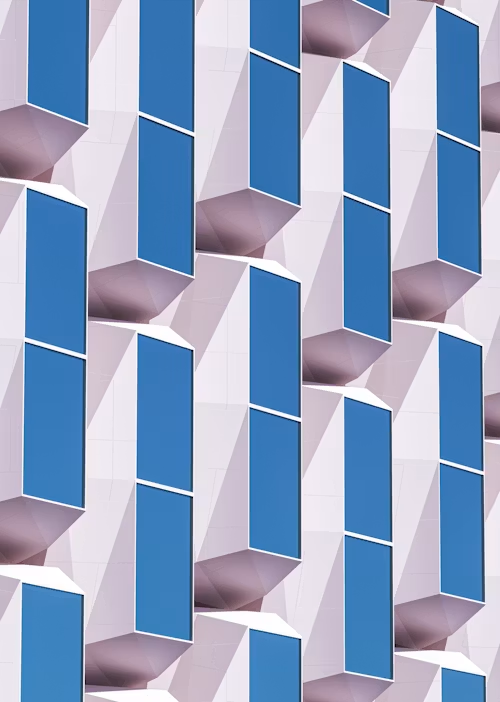
5. Geometric Pattern Facades
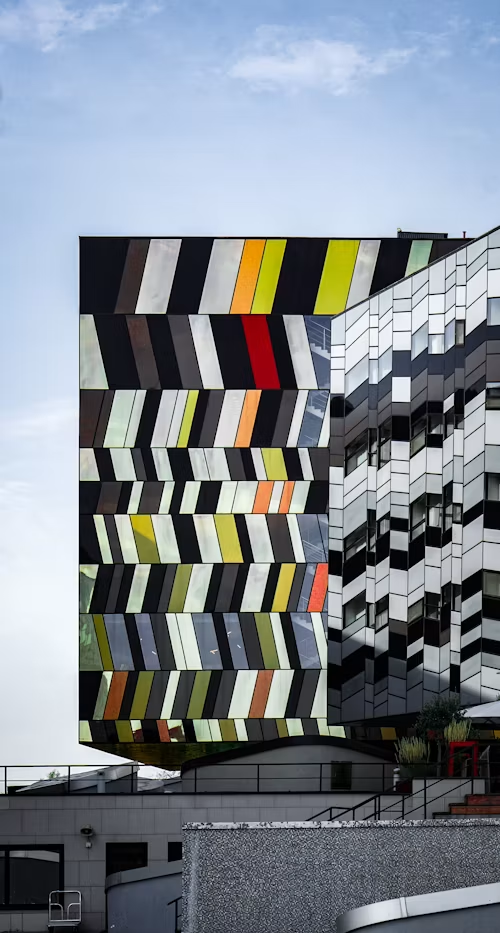
HPL panels can also be used creatively to create unique facade patterns.
Design possibilities include:
- Vertical panel arrangements
- Horizontal stripes
- Alternating colors
- Decorative perforated patterns
- Asymmetrical layouts
These approaches can transform a simple building exterior into a distinctive architectural feature.
Geometric HPL facade designs are especially suitable for:
- Cultural buildings
- Retail spaces
- Creative offices
- Modern residential projects
6. Accent Walls and Feature Facades
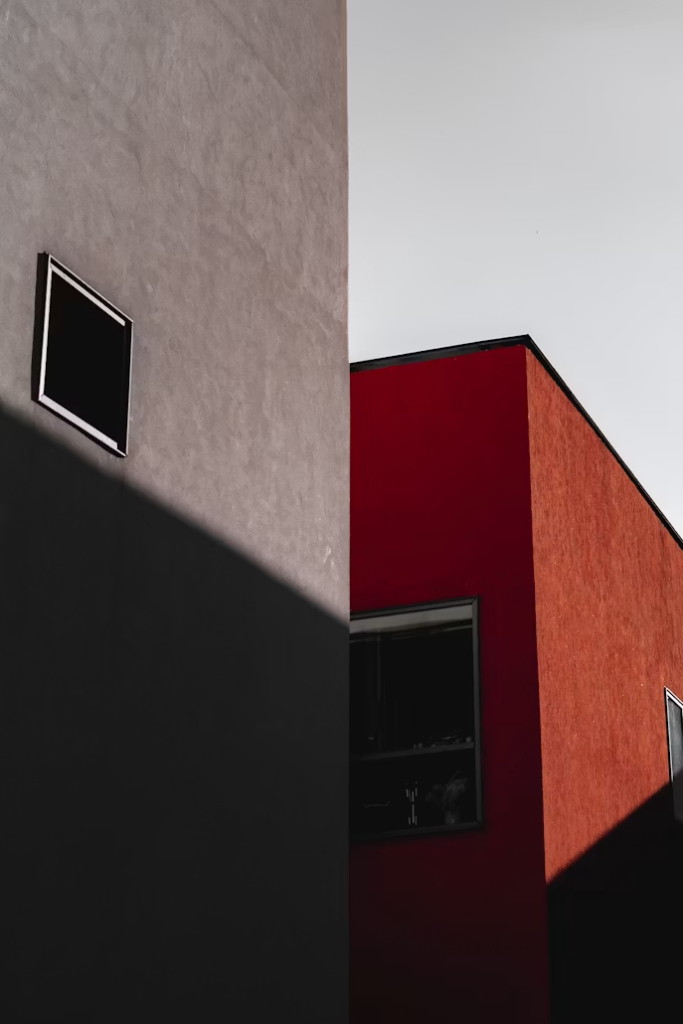
Not every building requires full HPL coverage. Using HPL panels as accent elements can create strong visual impact.
Applications include:
- Main entrances
- Lobby exterior walls
- Balcony areas
- Building corners
- Decorative facade sections
A carefully selected HPL texture or color can highlight important architectural features while reducing overall material costs.
7. Ventilated Facade Systems
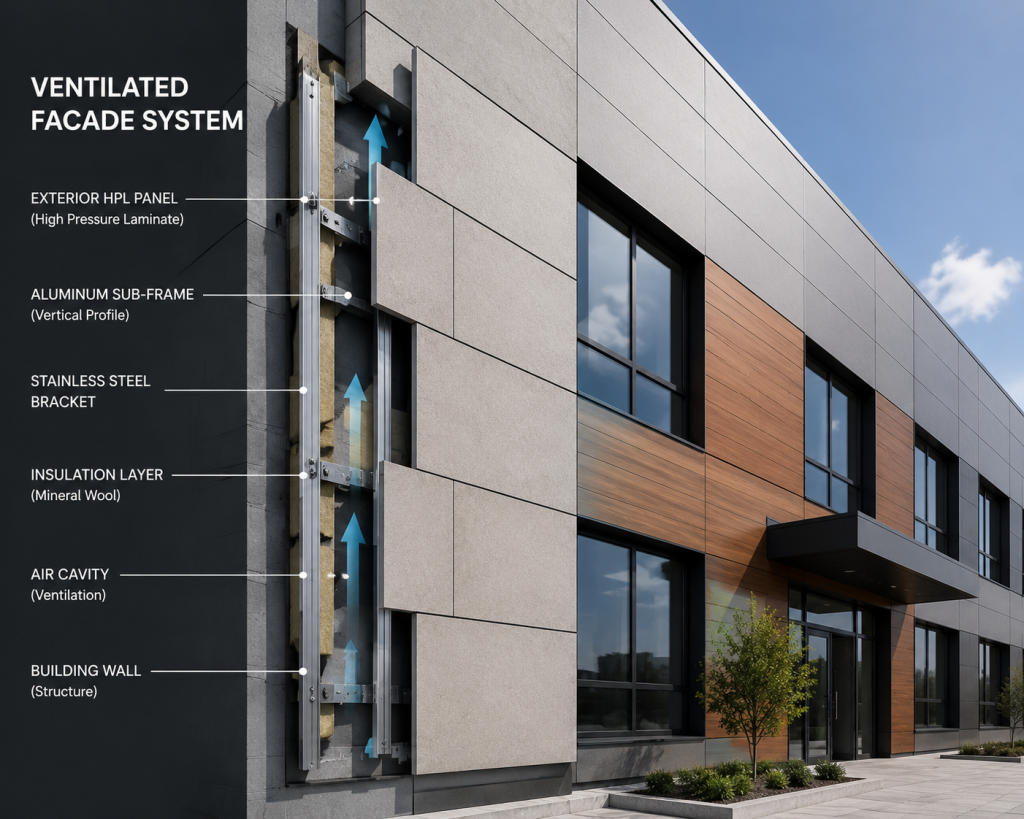
Modern buildings increasingly use ventilated facade systems to improve energy efficiency and moisture management.
HPL exterior panels are commonly installed as part of ventilated facade systems because they provide:
- A protective outer layer
- Improved airflow behind the panels
- Better moisture control
- Enhanced building envelope performance
This makes HPL cladding suitable for both aesthetic and functional facade designs.
Conclusion
Modern HPL wall cladding provides endless design possibilities for contemporary architecture. From natural wood-inspired facades and minimalist exteriors to mixed-material designs and geometric patterns, HPL panels allow architects to combine creativity with long-term performance.
With advantages including design flexibility, weather resistance, durability, and low maintenance, HPL exterior panels have become an ideal choice for modern building facades.
For architects and developers looking to create attractive and durable exterior spaces, TIANAN AUTLEAF Exterior Wall Panels offer a versatile solution that meets both aesthetic and functional requirements. For inquires, please contact us at timmy.wu@timotechs.com.