In modern interior construction and renovation projects, selecting the right wall material is no longer just a matter of design preference. It directly affects installation efficiency, long-term maintenance costs, and overall project performance.
Among the most commonly used decorative materials today are UV marble sheet and PVC wall panels. Both are widely applied in residential and commercial interiors due to their affordability, lightweight structure, and ease of installation. However, despite their similarities, they differ significantly in material composition, surface performance, durability, and application scenarios.
This article provides a comprehensive comparison of UV marble sheet vs PVC wall panels, covering their definitions, structures, advantages, disadvantages, and best-use cases. Whether you are a contractor, distributor, or project developer, this guide will help you make a more informed material selection.
What Is UV Marble Sheet?
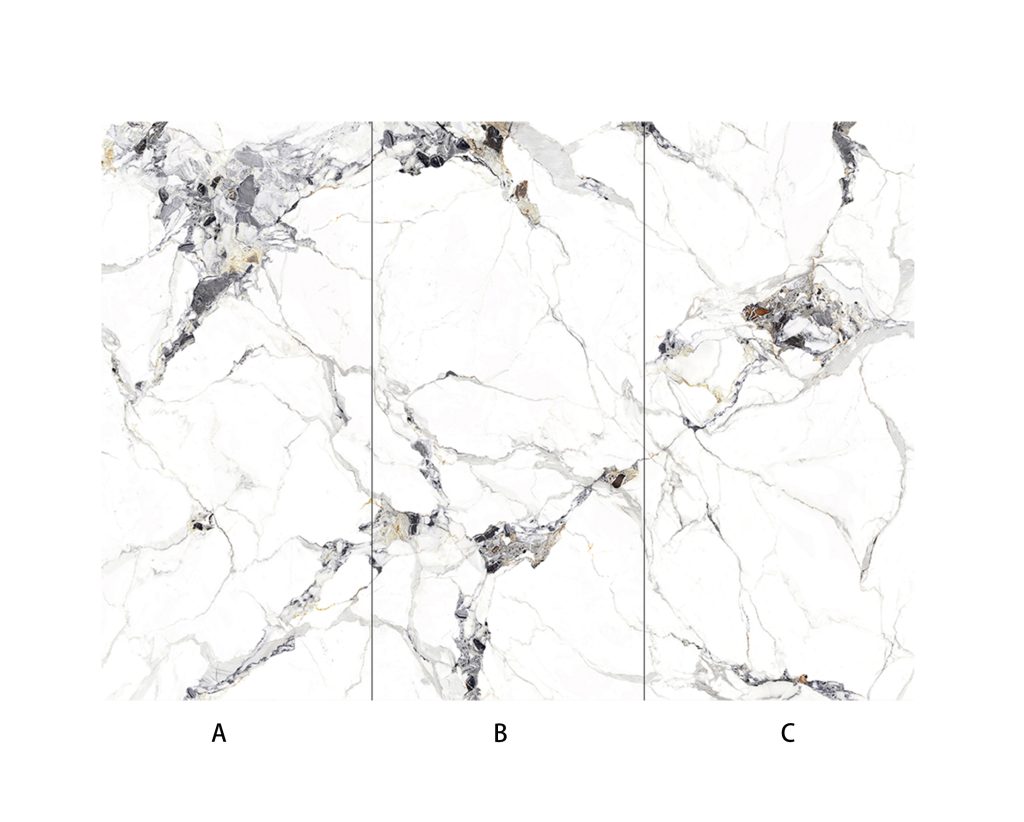
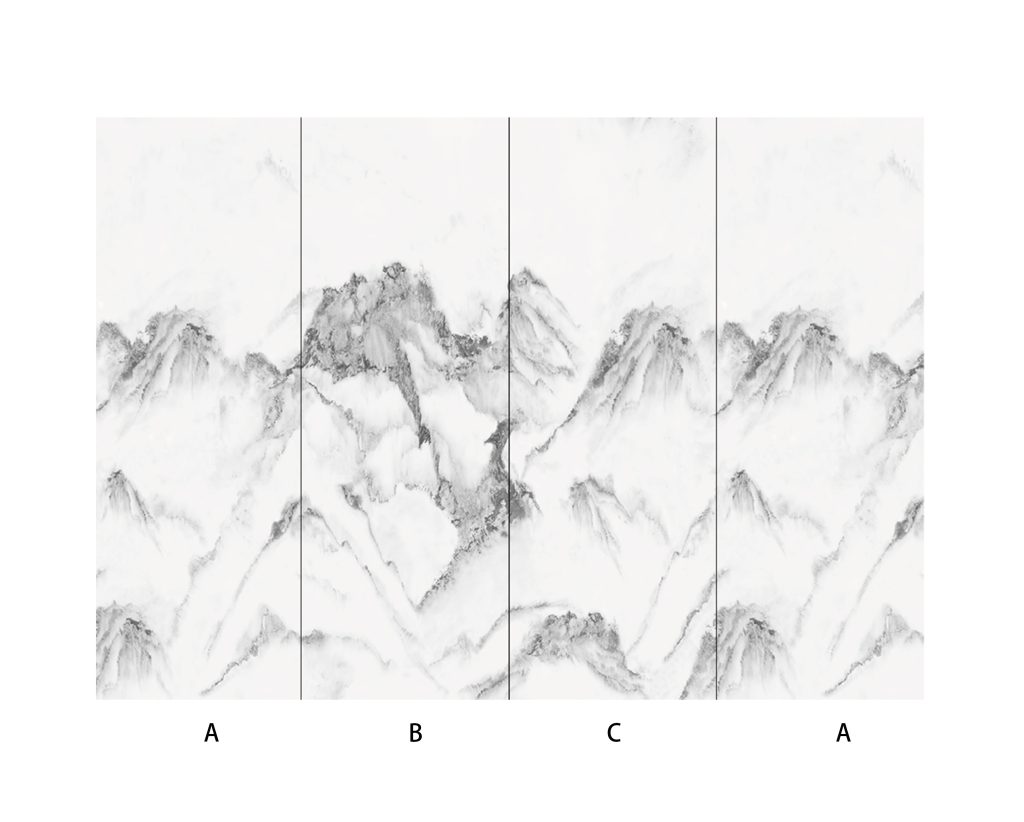
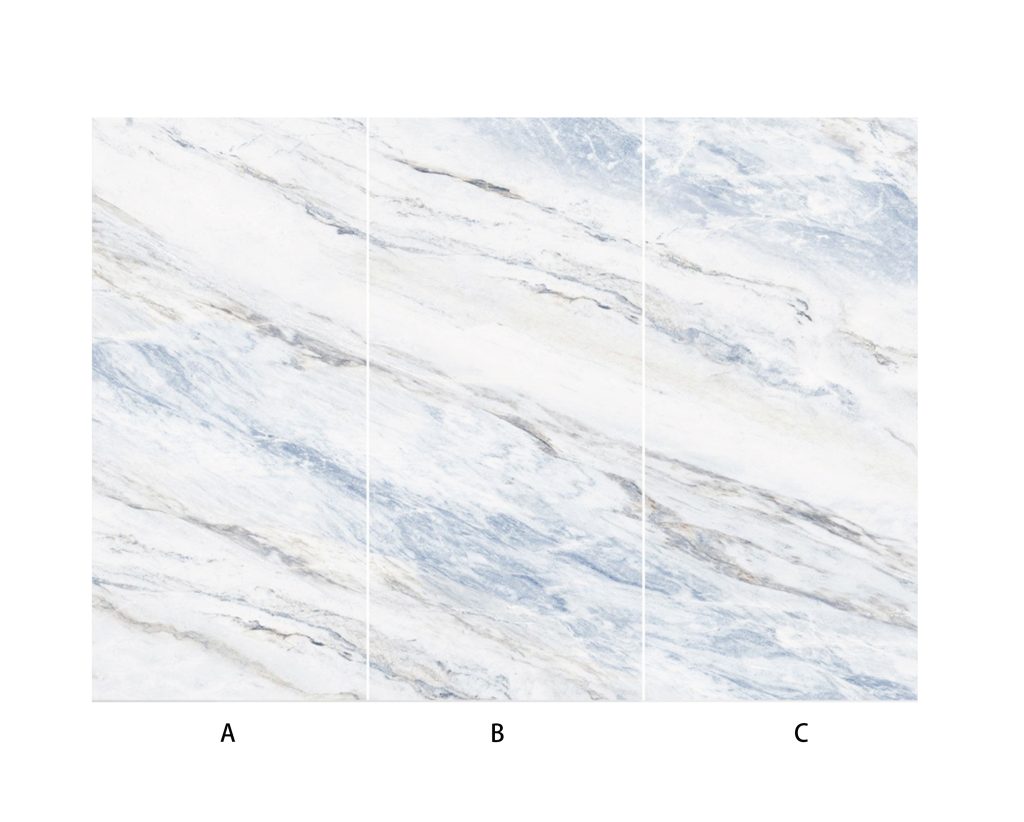
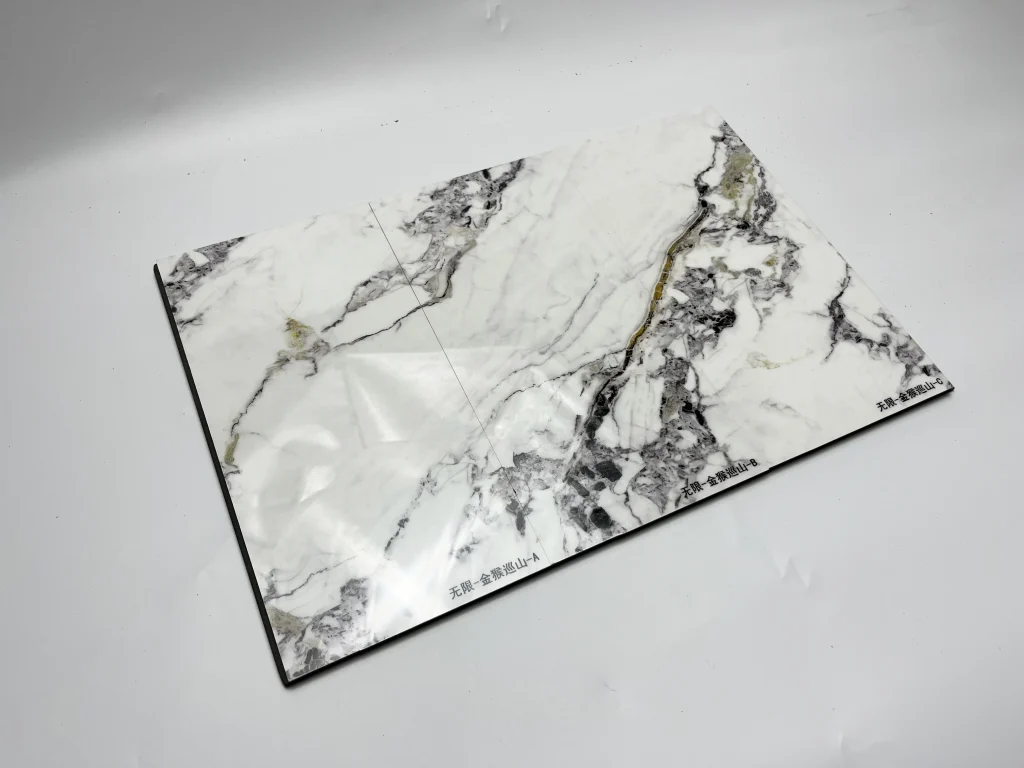
A UV marble sheet is a decorative panel made from a composite substrate, such as PVC, SPC, or WPC, combined with a printed marble design and finished with multiple layers of UV-cured coating. It is designed to replicate the appearance of natural marble while offering a more cost-effective and lightweight alternative.
Unlike traditional materials, the “UV” in UV marble sheet does not refer to a base material. Instead, it represents a surface treatment process. The UV coating is applied and cured using ultraviolet light, forming a hard, glossy, and scratch-resistant protective layer.
Structure of UV Marble Sheet
A typical UV marble sheet consists of three main layers:
1. Base Layer (Composite Substrate)
This is the structural core of the panel, which may be made from:
- PVC (polyvinyl chloride)
- SPC (stone plastic composite)
- WPC (wood plastic composite)
The base layer determines the panel’s strength, weight, and dimensional stability.
2. Decorative Layer (Marble Pattern Film)
This layer features a high-resolution printed design that mimics natural marble textures, including veining and color variation.
3. UV Coating Layer (Surface Protection)
Multiple layers of UV-cured coating are applied to enhance:
- Surface gloss
- Scratch resistance
- Stain resistance
- Ease of cleaning
Key Characteristics
UV marble sheets are known for:
- High-gloss, premium visual appearance
- Smooth and easy-to-clean surface
- Moderate durability suitable for interior use
- Lightweight structure compared to stone materials
- Cost efficiency compared to natural marble
UV Marble Sheet vs Natural Marble
Compared to natural marble, UV marble sheet offers:
- Significantly lower material and installation cost
- Easier transportation due to reduced weight
- Faster installation with adhesives
- Lower maintenance requirements
However, it does not fully replicate the texture depth or natural feel of real stone.
What Are PVC Wall Panels?
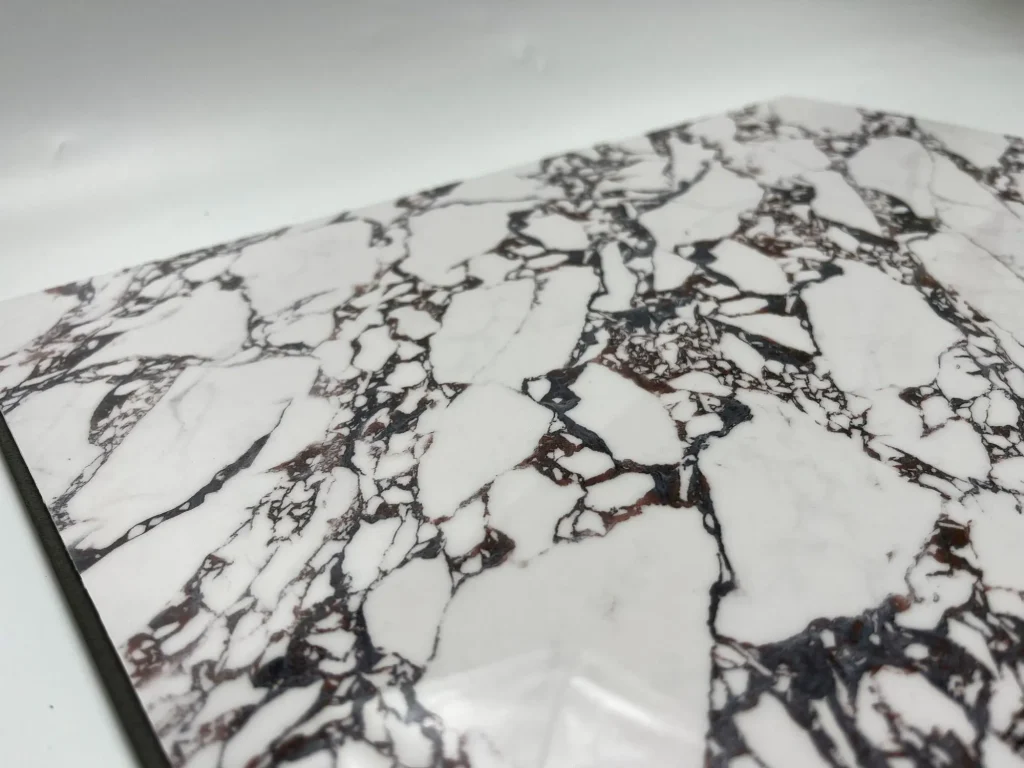
PVC wall panels are decorative panels primarily made from polyvinyl chloride (PVC), a type of plastic widely used in construction due to its durability, water resistance, and versatility.
They are commonly used for interior wall cladding in both residential and commercial environments, especially in areas where moisture resistance and easy maintenance are required.
Types of PVC Wall Panels
PVC wall panels come in several forms, including:
- Hollow PVC panels
Lightweight panels with internal cavities, commonly used for ceilings and walls - Solid PVC boards
Denser and stronger panels with improved durability - PVC marble sheets
Panels with printed decorative surfaces that imitate marble patterns
Key Characteristics
PVC wall panels offer:
- Excellent waterproof performance
- Strong resistance to moisture and humidity
- Lightweight structure for easy handling
- Relatively simple installation methods
- Cost-effective material pricing
Are PVC Panels Waterproof?
Yes, PVC panels are inherently waterproof due to their plastic composition. This makes them suitable for environments such as bathrooms, kitchens, and laundry areas.
Are PVC Panels Flexible?
Flexibility depends on the type of panel.
- Thin or hollow PVC panels may offer some flexibility
- Solid PVC boards are generally more rigid
UV Marble Sheet vs PVC Wall Panels: Key Differences
Although UV marble sheets and PVC wall panels may appear similar at first glance, they differ significantly in structure, performance, and application.
Comparison Table
| Feature | UV Marble Sheet | PVC Wall Panels |
|---|---|---|
| Material | Composite (PVC, SPC, or WPC) | PVC |
| Surface Finish | High-gloss UV coating | Matte or printed finish |
| Appearance | Marble-like, premium look | Simple decorative patterns |
| Durability | Medium to high | Medium |
| Weight | Moderate | Lightweight |
| Waterproof | Yes | Yes |
| Installation | Adhesive-based | Clip or adhesive |
| Cost | Medium | Low |
Key Differences Explained
The primary difference lies in surface performance and visual quality.
UV marble sheets are designed to deliver a high-end decorative effect, closely resembling natural marble. Their UV coating enhances both appearance and scratch resistance, making them suitable for feature walls and commercial interiors.
In contrast, PVC wall panels focus more on practicality. They are lightweight, easy to install, and highly resistant to moisture, but they generally offer a simpler visual finish.
Advantages of UV Marble Sheet
UV marble sheets are widely used in modern interior design due to their balance between aesthetics and functionality.
1. High-Gloss Decorative Finish
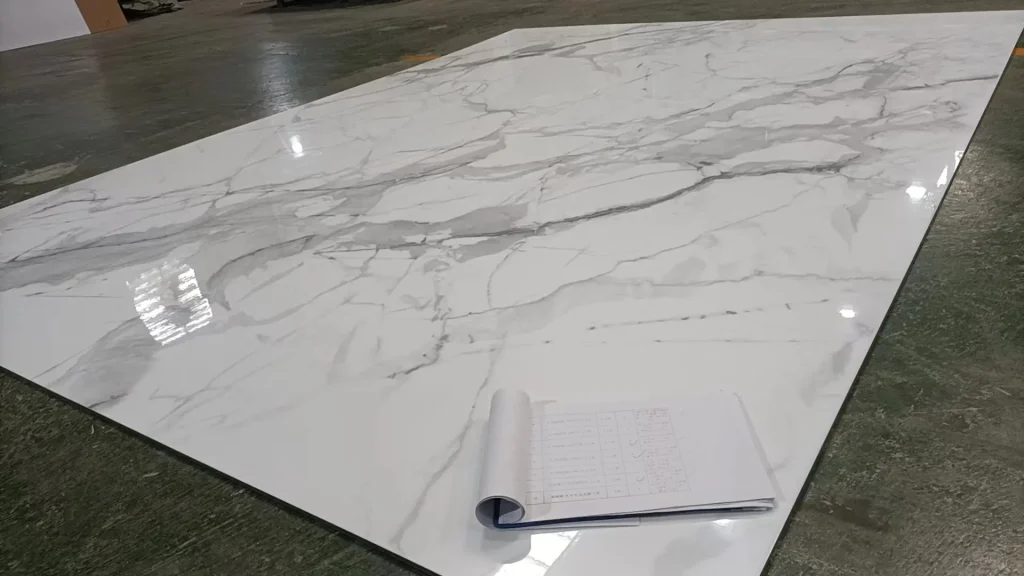
The UV coating creates a reflective, polished surface that enhances the visual appeal of interior spaces. This makes it ideal for applications where design impact is important.
2. Scratch and Stain Resistance
The UV-cured surface layer provides improved hardness compared to standard printed panels, helping to resist minor scratches and stains in daily use.
3. Easy Maintenance
The smooth surface prevents dirt accumulation and allows for easy cleaning with minimal effort.
4. Cost-Effective Alternative to Marble
UV marble sheets provide a similar visual effect to natural stone at a fraction of the cost, making them attractive for budget-conscious projects.
5. Suitable for Decorative Applications
They are commonly used for:
- Feature walls
- Hotel interiors
- Retail display areas
Disadvantages of UV Marble Sheet
Despite their advantages, UV marble sheets also have limitations that should be considered.
1. Artificial Surface Feel
Although visually similar to marble, the surface may feel less natural upon touch.
2. Limited Impact Resistance
Compared to solid materials, UV marble sheets may be more vulnerable to strong impacts.
3. Not Suitable for Curved Surfaces
Due to their rigid structure, they are typically used on flat surfaces only.
4. High Gloss May Not Fit All Designs
In some design styles, especially minimalist or matte-focused interiors, the glossy finish may appear too reflective.
Advantages of PVC Wall Panels
PVC wall panels are valued for their practicality and affordability, making them widely used in various applications.
1. Lightweight and Easy to Handle
PVC panels are easy to transport and install, reducing labor effort.
2. Excellent Waterproof Performance
Their plastic composition makes them highly resistant to water, making them ideal for wet environments.
3. Moisture Resistance
PVC panels perform well in humid conditions, preventing issues such as mold and mildew.
4. Low Cost
They are one of the most budget-friendly wall panel solutions available.
Disadvantages of PVC Wall Panels
While PVC wall panels are widely used for their practicality, they also come with certain limitations that should be carefully evaluated, especially in commercial or long-term applications.
1. Lower Structural Strength
Compared to composite materials such as SPC-based panels or UV marble sheets, standard PVC panels generally offer lower impact resistance. This means they may be more prone to dents or deformation under heavy use.
2. Limited Visual Premium Feel
Although modern PVC panels come in various finishes and designs, they typically lack the depth, texture, and realism of higher-end decorative materials like UV marble sheets or natural stone.
For projects where visual impact is critical, such as luxury retail or hotel interiors, PVC panels may not deliver the desired aesthetic level.
3. Potential Quality Variation
The performance of PVC panels can vary significantly depending on manufacturing quality. Lower-quality panels may experience:
- Warping under temperature changes
- Color fading over time
- Reduced durability
This makes supplier selection especially important for large-scale projects.
4. Limited Long-Term Durability
While suitable for many applications, PVC panels may not perform as well in high-traffic or high-impact environments compared to more rigid composite materials.
Best Applications for UV Marble Sheets and PVC Wall Panels
Choosing between UV marble sheet vs PVC wall panels depends largely on the specific application scenario. Each material performs best under different conditions.
Best Applications for UV Marble Sheets
UV marble sheets are ideal for projects where visual impact and design quality are key priorities.
Common applications include:
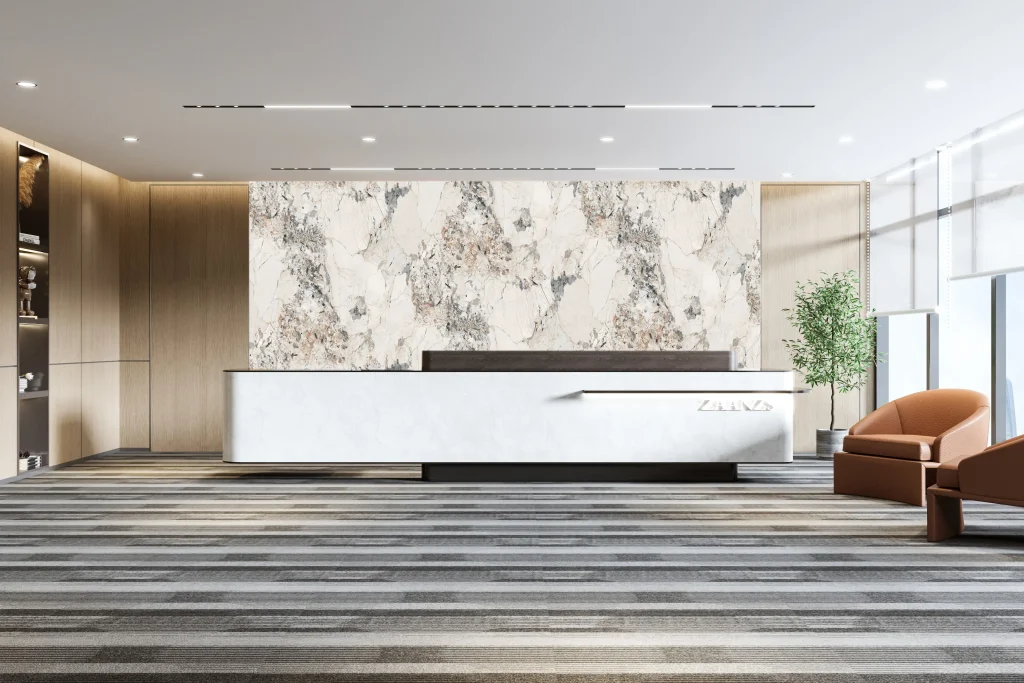
- Hotel interiors
Used for feature walls, lobbies, and reception areas to create a premium look - Commercial spaces
Retail stores, showrooms, and office interiors that require a polished appearance - Decorative wall panels
Accent walls in residential or commercial environments
Best Applications for PVC Wall Panels
PVC wall panels are better suited for functional and cost-sensitive environments.
Typical applications include:
- Bathrooms and kitchens
Due to excellent waterproof and moisture-resistant properties - Utility areas
Laundry rooms, storage spaces, and service areas - Temporary or budget projects
Where cost efficiency and quick installation are priorities
Application-Based Comparison
From an engineering perspective:
- High-traffic / long-term use → UV marble sheet
- Low-cost / moisture-prone areas → PVC panels
- Design-focused spaces → UV marble sheet
- Functional spaces → PVC panels
Cost and Installation Comparison
Cost is one of the most important factors when selecting wall materials, but it should be evaluated beyond just the initial price.
Material Cost
- PVC wall panels are generally lower in price, making them suitable for budget projects
- UV marble sheets are mid-range, offering better aesthetics at a higher cost
Installation Cost
- PVC panels often use clip systems or simple adhesive installation, reducing labor complexity
- UV marble sheets are typically installed using adhesives, requiring careful surface preparation
Installation Efficiency
Both materials are relatively easy to install compared to traditional materials such as ceramic tiles or stone. However:
- PVC panels may offer slightly faster installation in modular systems
- UV marble sheets require more precision for visual alignment
Lifecycle Cost Consideration
A more advanced way to evaluate materials is through lifecycle cost:
- PVC panels → lower upfront cost but may require earlier replacement
- UV marble sheets → higher upfront cost but better long-term visual performance
This makes UV marble sheets more suitable for projects with longer usage cycles.
How to Choose the Right Panel for Your Project
Selecting between UV marble sheet and PVC wall panels should be based on a combination of technical, financial, and design factors.
Decision Guide
If your priority is budget control:
→ Choose PVC wall panels
If your priority is high-end appearance:
→ Choose UV marble sheet
If your project involves high humidity environments:
→ PVC panels are a reliable option
If you need strong visual impact in commercial spaces:
→ UV marble sheet is more suitable
If installation speed is critical:
→ Both options perform well, but PVC panels may have a slight advantage
Key Decision Factors
- Project type (commercial vs residential)
- Budget level
- Expected lifespan
- Environmental conditions
- Design requirements
FAQ
PVC marble refers to decorative PVC panels that feature printed marble patterns. They are designed to mimic the look of natural stone at a lower cost.
Yes, PVC boards are inherently waterproof, making them suitable for wet areas such as bathrooms and kitchens.
Flexibility depends on the panel type. Thin or hollow panels may be flexible, while solid PVC boards are generally rigid.
Yes, UV marble sheets are typically waterproof due to their composite structure and coated surface. However, proper installation is still important to prevent water penetration at joints.
There is no one-size-fits-all answer. UV marble sheets are better for aesthetics and decorative applications, while PVC panels are better for cost efficiency and moisture resistance.
Yes, UV sheets are widely used for interior wall decoration, especially for feature walls and commercial spaces.
Conclusion
The comparison between UV marble sheet vs PVC wall panels highlights a fundamental difference in purpose.
UV marble sheets focus on visual performance and decorative value, making them suitable for projects where design plays a central role.
PVC wall panels, on the other hand, prioritize functionality, affordability, and moisture resistance, making them ideal for practical applications.
Ultimately, the best choice depends on your project requirements, budget, and long-term expectations.
If you are looking for reliable, high-quality wall panel solutions for your next project, contact TIANAN timmy.wu@timotechs.com to get expert support and customized recommendations tailored to your application needs.