In modern interior design and construction, wall finishes have evolved far beyond traditional paint and wallpaper. One of the fastest-growing solutions in both residential and commercial projects is 3D wall panels.
These panels are widely used to create visually dynamic surfaces that add depth, texture, and architectural interest to interior spaces. Unlike flat wall finishes, 3D wall panels introduce a sculptural effect that enhances both aesthetic value and spatial perception.
Today, 3D wall panels are available in a wide range of materials, designs, and installation systems, making them suitable for various applications—from home interiors to commercial environments such as retail stores, restaurants, and office spaces.
This article provides a comprehensive overview of 3D wall panels, including their definition, types, advantages, disadvantages, applications, and key selection factors.
What Are 3D Wall Panels?
3D wall panels are decorative wall cladding materials designed with raised or recessed surface patterns that create a three-dimensional visual effect. These panels are used to enhance interior walls by adding texture, depth, and design complexity.
Unlike traditional flat wall coverings such as paint or wallpaper, 3D wall panels provide a more tactile and visually engaging surface.
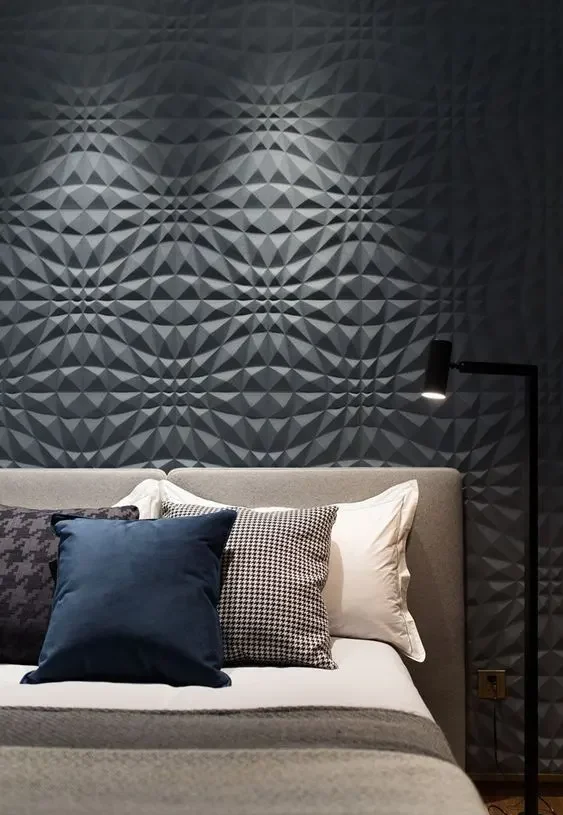
Materials Used in 3D Wall Panels
3D wall panels can be manufactured from various materials, including:
- PVC (Polyvinyl Chloride) – lightweight, waterproof, and cost-effective
- WPC (Wood Plastic Composite) – combines wood fiber and plastic for improved strength
- Gypsum – commonly used for interior decorative walls
- MDF (Medium Density Fiberboard) – suitable for painted decorative finishes
- Bamboo fiber composites – eco-friendly alternative materials
Each material offers different levels of durability, flexibility, and aesthetic performance.
Key Characteristics
- Three-dimensional surface texture
- Decorative architectural effect
- Lightweight or semi-rigid structure depending on material
- Suitable for interior wall applications
- Available in modular or panel systems
Types of 3D Wall Panels
3D wall panels are not a single product type but a category of decorative wall solutions. They can be classified based on material, design, and application.
1. Material-Based Types
PVC 3D Wall Panels
- Waterproof and lightweight
- Easy installation
- Common in residential interiors
WPC 3D Panels
- Stronger and more durable than standard PVC
- Better structural stability
Gypsum 3D Panels
- High-end decorative finish
- Suitable for painted surfaces
Wood/MDF Panels
- Natural texture appearance
- Often used in premium interior design
2. Design-Based Types
- Geometric pattern panels
- Wave-pattern panels
- Diamond-style panels
- Slat wall panels
These designs are often used to create feature walls in living rooms, hotels, and commercial spaces.
3. Application-Based Types
- Decorative wall panels
- Acoustic wall panels
- Feature wall systems
- Commercial branding wall surfaces
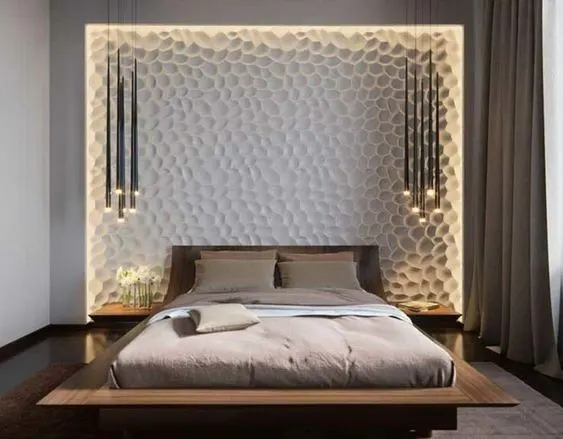
Advantages of 3D Wall Panels
3D wall panels are widely used because they offer a combination of design flexibility and functional benefits.
1. Strong Visual Impact
The primary advantage of 3D wall panels is their ability to transform plain walls into visually striking surfaces. The depth and texture create a dynamic lighting effect that enhances interior aesthetics.
2. Wide Design Flexibility
3D wall panels are available in multiple textures, patterns, and materials, allowing designers to match different interior styles—from modern minimalism to luxury commercial spaces.
3. Lightweight Options Available
Materials like PVC and WPC make installation easier and reduce structural load compared to traditional stone or masonry finishes.
4. Enhanced Acoustic Performance (in selected materials)
Some 3D panel designs, especially those with porous or layered structures, can help improve sound absorption in interior spaces such as offices or entertainment rooms.
5. Suitable for Accent Walls
3D wall panels are commonly used to highlight focal areas such as TV backgrounds, reception walls, and brand display zones.
Disadvantages of 3D Wall Panels
Despite their advantages, 3D wall panels also have limitations that should be considered before selection.
1. Higher Cost Compared to Flat Finishes
Compared to paint or wallpaper, 3D wall panels are generally more expensive due to material complexity and manufacturing processes.
2. More Complex Cleaning
The textured surface can accumulate dust more easily, especially in deep-pattern designs, requiring more detailed maintenance.
3. Installation Requirements Vary by Material
While some panels are DIY-friendly, others (such as gypsum or MDF systems) may require professional installation for proper alignment and finishing.
4. Not Suitable for All Design Styles
In minimalist or ultra-clean interior designs, 3D textures may feel visually overwhelming if not used appropriately.
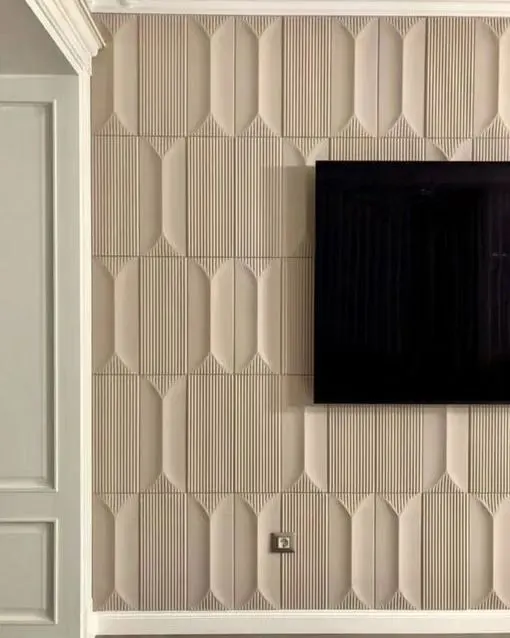
3D Wall Panels vs Flat Wall Finishes
Compared to traditional flat wall finishes such as paint or wallpaper, 3D wall panels offer a significantly different design approach.
Key Differences:
- Visual effect: 3D panels create depth, while flat finishes remain uniform
- Cost: 3D panels are generally higher in cost
- Installation: Flat finishes are simpler to apply
- Durability: Depends on material type
Summary Insight
3D wall panels are primarily used for decorative impact, while flat wall finishes focus on simplicity and cost efficiency.
Best Applications for 3D Wall Panel
3D wall panel is widely used across residential, commercial, and hospitality environments due to their strong decorative impact and flexible material options. Their ability to transform plain walls into visually engaging surfaces makes them suitable for both functional and aesthetic applications.
1. Residential Interiors
In residential projects, 3D wall panels are often used to enhance key interior spaces without requiring full renovation.
Common applications include:
- Living room feature walls
- Bedroom headboard walls
- TV background walls
- Dining area decorative walls
In these environments, panels such as PVC or MDF-based 3D wall panels are commonly selected due to their cost efficiency and design variety.
2. Commercial Spaces
Commercial environments prioritize visual identity and customer experience. 3D wall panels are often used as branding and design elements.
Typical applications include:
- Retail store interiors
- Shopping mall feature walls
- Office reception areas
- Exhibition booths
In these cases, design consistency and visual impact are more important than cost alone.
3. Hospitality and Public Spaces
Hotels, restaurants, and entertainment venues use 3D wall panels to create immersive environments.
Examples include:
- Hotel lobbies and corridors
- Restaurant interior walls
- Bar and lounge decorative surfaces
- Event and exhibition spaces
These environments often use more premium materials such as gypsum or high-end composite panels to achieve a refined aesthetic.
4. Specialized Interior Spaces
3D wall panels are also increasingly used in lifestyle-focused spaces such as:
- Gaming rooms
- Home theaters
- Creative studios
In these applications, textured designs help improve spatial atmosphere and user experience.
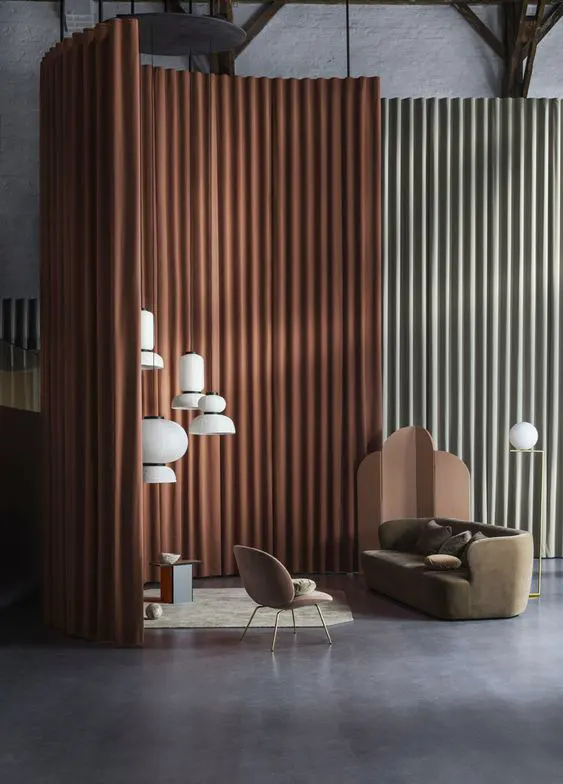
Cost and Installation Considerations
The cost and installation process of 3D wall panels vary significantly depending on material type, design complexity, and project scale.
Material Cost Factors
3D wall panels are available in a wide price range:
- PVC panels → more budget-friendly
- WPC panels → mid-range cost with better durability
- Gypsum and MDF panels → higher-end decorative solutions
The final cost depends on both material selection and design complexity.
Installation Methods
Common installation methods include:
- Adhesive bonding (most PVC panels)
- Screw fixing (wood-based panels)
- Modular interlocking systems (some modern PVC/WPC panels)
Compared to traditional wall finishes such as tile or stone, 3D wall panels are generally faster to install and require less specialized labor.
Lifecycle Cost Perspective
Beyond initial cost, it is important to consider lifecycle performance:
- Lower-cost panels may require earlier replacement
- Higher-quality panels offer better long-term durability and visual stability
This makes material selection a balance between budget and expected service life.
How to Choose the Right 3D Wall Panel
Selecting the right 3D wall panels depends on project requirements, environmental conditions, and design expectations.
1. Based on Budget
- Limited budget → PVC panels
- Medium budget → WPC panels
- Premium design projects → gypsum or MDF panels
2. Based on Environment
- Moisture-prone areas → PVC panels
- Dry interior spaces → all material types applicable
- High-traffic areas → durable composite panels recommended
3. Based on Design Requirements
- Minimalist interiors → subtle textures
- Luxury interiors → deep 3D patterns
- Commercial branding → customized geometric designs
4. Based on Installation Conditions
- DIY-friendly projects → PVC panels
- Professional construction → gypsum or MDF systems
FAQ About 3D Wall Panel
Yes, 3D wall panels are widely used in interior design because they add depth, texture, and visual interest to walls. They are especially effective for feature walls and decorative focal points.
It depends on the material. PVC-based 3D wall panels are generally waterproof, while gypsum or MDF panels may require additional surface treatment for moisture resistance.
Installation methods vary by material but commonly include adhesive bonding, screw fixing, or modular interlocking systems. PVC panels are usually the easiest to install.
Most 3D wall panels are designed for interior use. Outdoor applications require weather-resistant materials specifically engineered for external environments.
Yes, but design selection is important. Lighter textures and neutral colors are recommended for small spaces to avoid visual overcrowding.
Conclusion
3D wall panels have become a popular solution in modern interior design due to their ability to combine aesthetics, flexibility, and functional performance.
They are not only decorative elements but also tools for enhancing spatial identity in both residential and commercial environments.
However, the right choice depends on understanding material differences, installation requirements, and project-specific needs.
If you are looking for high-quality and customizable 3D wall panel solutions for your project, contact TIANAN timmy.wu@timotechs.com today to get professional guidance and tailored recommendations based on your application needs.