Wall panel systems have become one of the fastest-growing categories in modern interior and exterior construction. Once used mainly for decorative purposes, modern wall panels are now designed to support a wide range of building functions including moisture protection, acoustic control, fire resistance, impact durability, and faster project installation.
Compared with traditional wall finishes such as paint, plaster, ceramic tile, or natural timber cladding, engineered wall panel systems often offer more consistent installation quality, lower maintenance requirements, and improved long-term performance.
However, the wall panel industry has also become increasingly complex. The market now includes many different material systems, installation methods, and performance standards. Terms such as PVC wall panels, WPC wall panels, HPL panels, acoustic panels, decorative cladding, and fire-resistant systems are often used interchangeably even though they serve different purposes.
This guide is designed as a complete industry knowledge center for modern wall panel systems. It explains the major wall panel categories, material technologies, performance considerations, installation systems, and application scenarios used across the global building materials industry.
What Are Modern Wall Panel Systems?
Wall panel systems are prefabricated or engineered surface materials designed for installation on interior or exterior walls. Depending on the material and system design, wall panels may provide:
- decorative finishing
- moisture resistance
- acoustic absorption
- impact protection
- thermal performance
- fire resistance
- hygienic surfaces
- weather protection
Unlike traditional wet construction methods such as plastering or ceramic tile installation, many modern wall panel systems use dry installation methods including:
- adhesive bonding
- click systems
- concealed clips
- mechanical fastening
- ventilated subframe systems
This shift toward modular installation is one reason wall panel systems have become increasingly popular in modern construction.
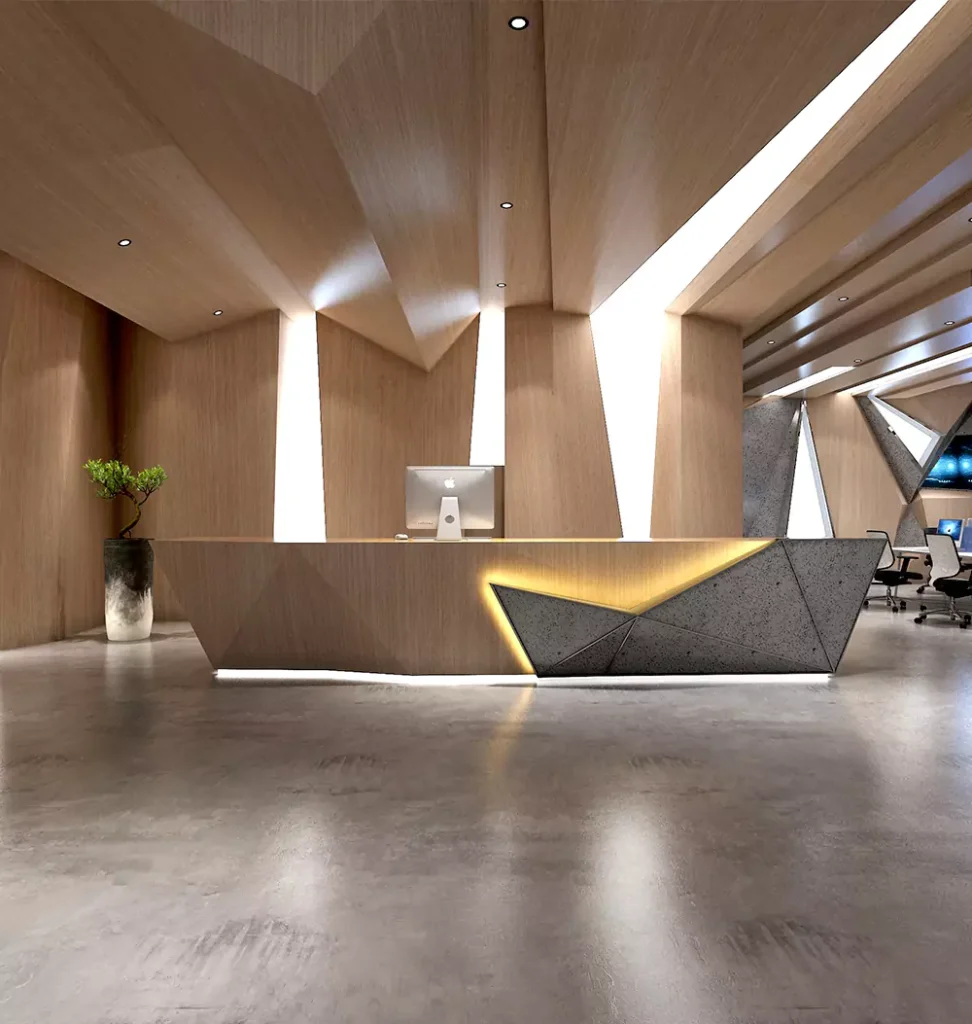
Why Wall Panel Systems Are Becoming More Popular
Several long-term industry trends are driving the growth of wall panel systems globally.
- Faster Construction Requirements
- Higher Building Performance Expectations
- Growth of Modular and Prefabricated Construction
- Increased Focus on Lifecycle Cost
Main Types of Wall Panel Systems
The wall panel industry includes a wide range of material technologies. Each category has different structural characteristics, installation requirements, and performance priorities.
PVC Wall Panels
PVC wall panels are manufactured primarily from polyvinyl chloride (PVC), a lightweight thermoplastic material widely used in interior construction applications.
They are commonly used in:
- bathrooms
- kitchens
- basements
- ceilings
- utility areas
- residential renovations
Main Characteristics
PVC wall panels are known for:
- good moisture resistance
- lightweight installation
- relatively low cost
- easy maintenance
- fast installation speed
Because PVC is non-porous, these systems are often selected for wet or humid interior environments.
However, performance quality can vary significantly depending on:
- material thickness
- density
- surface coating
- manufacturing quality
WPC Wall Panels
WPC (Wood Plastic Composite) wall panels are engineered composite materials typically made from:
- wood fibers or wood flour
- polymer resins
- stabilizers and additives
These systems are designed to combine some of the visual characteristics of wood with improved moisture resistance and dimensional stability.
WPC wall systems are commonly used in:
- decorative interior walls
- ceiling systems
- exterior cladding
- hospitality interiors
- commercial feature walls
Main Characteristics
WPC wall panels are often selected because they provide:
- wood-like appearance
- lower maintenance than natural timber
- improved moisture resistance
- dimensional stability
- modern decorative aesthetics
Exterior-grade WPC systems usually require additional UV stabilization and weather-resistant surface protection.
Related Posts:
- A Complete Guide to WPC Wall Panels Types and Uses
- How to Choose a Reliable WPC Wall Panel Supplier in China
HPL Wall Panels (High Pressure Laminate)
HPL panels are manufactured by compressing multiple resin-impregnated paper layers under high pressure and temperature.
These systems are widely used in:
- commercial interiors
- hospitals
- laboratories
- schools
- transportation facilities
- exterior façade systems
Main Characteristics
HPL wall systems are known for:
- high surface durability
- scratch resistance
- impact resistance
- stable decorative finishes
- suitability for high-traffic environments
Exterior HPL façade systems often require aluminum subframe installation systems and ventilated cavity design.
UV Marble Sheets
UV marble sheets are decorative PVC-based wall panels designed to simulate natural marble surfaces.
They are commonly used in:
- interior decorative walls
- hotel lobbies
- residential feature walls
- retail spaces
- commercial interiors
Main Characteristics
UV marble sheets are valued for:
- lightweight structure
- decorative marble appearance
- relatively simple installation
- lower cost compared with natural stone
Performance varies depending on:
- substrate quality
- UV coating technology
- panel thickness
- installation environment
Related Posts:
3D Wall Panels
3D wall panels are decorative systems designed to create textured or dimensional wall surfaces.
They may be manufactured from:
- PVC
- gypsum
- MDF
- bamboo fiber
- polyurethane
- composite materials
Main Characteristics
3D panels are typically used to create:
- feature walls
- decorative interiors
- hospitality spaces
- retail display environments
These systems prioritize aesthetics more than structural or environmental performance.
Related Posts:
Acoustic Wall Panels
Acoustic wall systems are designed to improve indoor sound performance through sound absorption or sound control.
Common materials include:
- PET acoustic panels
- perforated wood systems
- mineral wool panels
- fabric acoustic panels
- acoustic foam systems
Main Characteristics
Acoustic panels help improve:
- speech clarity
- reverberation control
- occupant comfort
- interior acoustic balance
They are commonly used in:
- offices
- theaters
- hotels
- schools
- conference rooms
- public buildings
Fire-Resistant Wall Panels
Fire-resistant wall panel systems are designed to improve building fire safety performance.
These systems may include:
- mineral core structures
- fire-retardant additives
- non-combustible surfaces
- fire-rated composite assemblies
Main Characteristics
Fire-resistant systems are evaluated based on standards such as:
- flame spread
- smoke generation
- combustibility
- fire resistance duration
Actual fire performance depends on the complete wall assembly, not only the decorative surface layer.
Exterior Wall Panel Systems
Exterior wall panel systems are designed specifically for building façades and long-term exposure to environmental conditions. Compared with interior systems, they require higher performance in weather resistance, structural stability, and installation engineering.
These systems are widely used in:
- residential façades
- commercial buildings
- industrial facilities
- public infrastructure
- architectural exterior design projects
Key Performance Requirements
Exterior wall panels must typically withstand:
- UV radiation exposure
- rain and moisture
- wind load pressure
- freeze-thaw cycles
- temperature fluctuations
Because of these demands, exterior systems often include additional engineering features such as:
- ventilated façade cavities
- aluminum or steel subframes
- expansion joint systems
- drainage and waterproof detailing
Common Exterior Wall Panel Materials
- WPC Cladding Systems: Used for wood-like architectural façades with improved moisture resistance.
- HPL Façade Panels: Used in commercial architecture for durable and stable decorative surfaces.
- Fiber Cement Panels: Used for fire resistance, durability, and exterior stability.
- Metal Cladding Systems: Including aluminum composite panels and steel façade systems, widely used in modern architecture.
Key Consideration
Exterior wall systems are not just surface materials. They are part of a complete façade engineering system that includes structure, ventilation, waterproofing, and thermal behavior.
Related Posts:
- What Is Composite Wall Cladding and How Does It Work?
- Composite Siding vs Vinyl Siding: Exterior Cladding Guide
- Composite Cladding FAQs
Wall Panel Installation Systems
Installation methods play a critical role in determining the long-term performance of wall panel systems. Even high-quality materials can fail if installed incorrectly.
Adhesive Installation Systems
Used mainly for lightweight interior wall panels.
Common applications:
- PVC panels
- decorative boards
- smooth interior surfaces
Key requirements:
- flat substrate
- dry surface conditions
- compatible adhesive system
- correct curing time
Mechanical Fastening Systems
Used for heavier panels or exterior systems.
Includes:
- screws
- concealed clips
- rail systems
- bracket systems
Advantages:
- stronger structural stability
- easier replacement or maintenance
- better long-term durability
Ventilated Façade Systems
Widely used in modern exterior architecture.
These systems include:
- subframe structure
- air cavity behind panels
- drainage and ventilation space
Benefits:
- improved moisture control
- reduced condensation risk
- better thermal performance
- longer façade lifespan
Expansion and Movement Control
Most wall panel systems expand and contract due to temperature changes.
Proper installation must include:
- expansion gaps
- movement joints
- flexible fixing systems
Failure to manage thermal movement can lead to:
- warping
- buckling
- surface stress
- joint failure
Key Performance Factors in Wall Panel Selection
Selecting the right wall panel system requires evaluating multiple performance factors together, not individually.
Durability
Durability depends on:
- material density
- surface protection
- environmental exposure
- installation quality
High-traffic or exterior environments typically require higher durability systems.
Moisture Resistance
Important for:
- bathrooms
- kitchens
- basements
- exterior walls
Materials differ significantly in water absorption behavior, so system selection must match environmental conditions.
Fire Performance
Fire-rated systems are required in many commercial and public buildings.
Key considerations include:
- flame spread rating
- smoke development
- compliance with building codes
Fire performance depends on the full wall assembly, not only surface materials.
Acoustic Performance
Acoustic systems are designed for:
- sound absorption
- noise reduction
- improved indoor comfort
Used widely in offices, hotels, and education spaces.
Aesthetic Design
Modern wall systems offer a wide range of visual finishes:
- wood grain
- stone texture
- matte or glossy surfaces
- architectural patterns
Design requirements often influence material selection as much as performance factors.
Maintenance Requirements
Maintenance varies by system type:
- PVC systems: low maintenance, simple cleaning
- HPL systems: durable, stable surface performance
- natural materials: higher maintenance needs
Lifecycle cost is often more important than initial material cost.
Applications of Wall Panel Systems
Wall panel systems are used across almost all building categories.
Residential Applications
- living rooms
- bedrooms
- kitchens
- bathrooms
- basements
- feature walls
Focus: comfort, aesthetics, moisture resistance.
Commercial Applications
- offices
- retail stores
- hotels
- restaurants
Focus: durability, branding, acoustic performance.
Healthcare and Education
- hospitals
- clinics
- schools
- laboratories
Focus: hygiene, safety, acoustic control, fire compliance.
Public and Infrastructure Projects
- airports
- stations
- exhibition centers
- government buildings
Focus: durability, fire safety, high traffic resistance.
Exterior Architecture
- façades
- building envelopes
- architectural feature walls
Focus: weather resistance, structural stability, long-term performance.
Future Trends in Wall Panel Systems
The wall panel industry continues to evolve alongside construction technology and architectural design trends.
Modular Construction Growth
Prefabrication and modular building systems are increasing globally, driving demand for:
- standardized panel systems
- faster installation solutions
- factory-controlled quality
Sustainable Materials
There is growing demand for:
- recycled materials
- low-VOC systems
- eco-certified products
- longer lifecycle materials
Sustainability is becoming a core selection criterion.
Multi-Functional Panels
Modern systems increasingly combine multiple functions:
- acoustic + decorative
- fire-resistant + decorative
- insulation + façade system
This integration improves overall building efficiency.
Large Format and Seamless Design
Architectural trends are moving toward:
- larger panel sizes
- fewer visible joints
- cleaner surface aesthetics
This influences both manufacturing and installation technologies.
Conclusion
Modern wall panel systems represent a broad and evolving category within the global construction industry. They are no longer limited to decorative finishes but now play an important role in building performance, safety, comfort, and long-term maintenance efficiency.
Different material systems—such as PVC, WPC, HPL, fiber cement, acoustic panels, and fire-resistant solutions—serve different functional requirements and application environments.
There is no single “best” wall panel system. The correct choice depends on:
- application environment
- performance requirements
- installation system
- budget considerations
- long-term maintenance expectations
- architectural design goals
As construction continues to move toward modular, efficient, and performance-driven building methods, wall panel systems will remain a key component of modern architecture and building design.
Contact us at timmy.wu@timotechs.com to get tailored wall panel solutions for your project.