Modern architecture is constantly searching for exterior materials that combine aesthetic appeal, durability, weather resistance, and easy maintenance. While traditional facade materials such as stone, brick, and metal remain popular, architects and developers are increasingly turning to advanced cladding solutions that provide greater design flexibility and long-term performance.
HPL facade panels (High Pressure Laminate facade panels) have become a popular choice for commercial buildings, residential projects, public facilities, and architectural renovations. With excellent resistance to weather conditions, UV exposure, moisture, and impact, exterior HPL panels offer a practical alternative for creating durable and visually attractive building envelopes.
What Are HPL Facade Panels?
HPL facade panels are exterior-grade high-pressure laminate panels specially engineered for outdoor applications. Unlike standard interior HPL sheets, exterior HPL panels are manufactured with enhanced weather-resistant properties to withstand long-term exposure to sunlight, rain, temperature changes, and outdoor environments.
The panels are produced by pressing multiple layers of kraft paper impregnated with phenolic resin under high temperature and pressure. A decorative surface layer provides the desired appearance, while protective treatments help improve resistance against UV rays, moisture, and environmental factors.
The result is a dense, stable, and durable facade material suitable for ventilated facade systems, exterior walls, balconies, soffits, and other architectural applications.
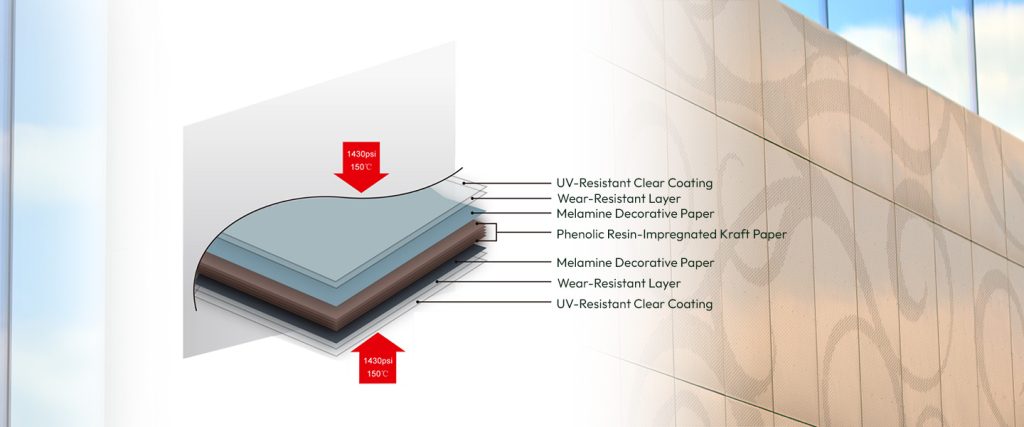
How Are HPL Exterior Panels Made?
The manufacturing process of exterior HPL panels involves several key steps:
1. Selection of Raw Materials
High-quality kraft paper, decorative paper, and thermosetting resins are selected to create a strong and stable panel structure.
2. Resin Impregnation
The papers are impregnated with phenolic resin, which improves the panel’s mechanical strength, moisture resistance, and dimensional stability.
3. High Pressure and Temperature Pressing
Multiple layers are compressed under high pressure and temperature to form a compact laminate structure.
4. Surface Treatment
The exterior surface is finished with decorative textures and protective layers to achieve different visual effects while improving outdoor durability.
This advanced manufacturing process creates panels with excellent strength and resistance for facade applications.
Key Advantages of HPL Facade Panels
1. Excellent Weather Resistance
Exterior building materials must withstand changing weather conditions, including rain, sunlight, humidity, and temperature fluctuations.
HPL facade panels are designed for outdoor environments with:
- Moisture resistance
- UV resistance
- Temperature stability
- Resistance to climate changes
This makes them suitable for buildings located in different climates, from hot and sunny regions to areas with frequent rainfall.
2. Wide Range of Design Possibilities
One of the biggest advantages of HPL facade panels is their design flexibility.
They are available in various:
- Wood grain finishes
- Stone-inspired textures
- Solid colors
- Metallic effects
- Custom patterns
Architects can create natural-looking facades while avoiding the weight and maintenance challenges associated with traditional materials.
For modern commercial buildings, hotels, offices, and residential developments, HPL panels provide a balance between architectural creativity and practical performance.
3. Low Maintenance Requirements
Compared with natural wood or some traditional facade materials, HPL panels require minimal maintenance.
Their dense surface structure helps resist:
- Dirt accumulation
- Stains
- Scratches
- Surface degradation
Routine cleaning is usually sufficient to maintain their appearance over many years.
4. Lightweight and Easy Installation
Compared with materials such as stone or ceramic panels, HPL facade panels are relatively lightweight.
Benefits include:
- Easier transportation
- Reduced load requirements on building structures
- Faster installation
- Lower construction complexity
They can be installed using different facade fixing systems depending on project requirements.
5. Impact Resistance and Structural Stability
Exterior walls are exposed to wind, temperature changes, and daily impacts. HPL facade panels feature a compact structure that provides excellent mechanical performance.
They offer:
- High impact resistance
- Good dimensional stability
- Resistance to cracking and deformation
This helps maintain facade integrity throughout the building lifecycle.
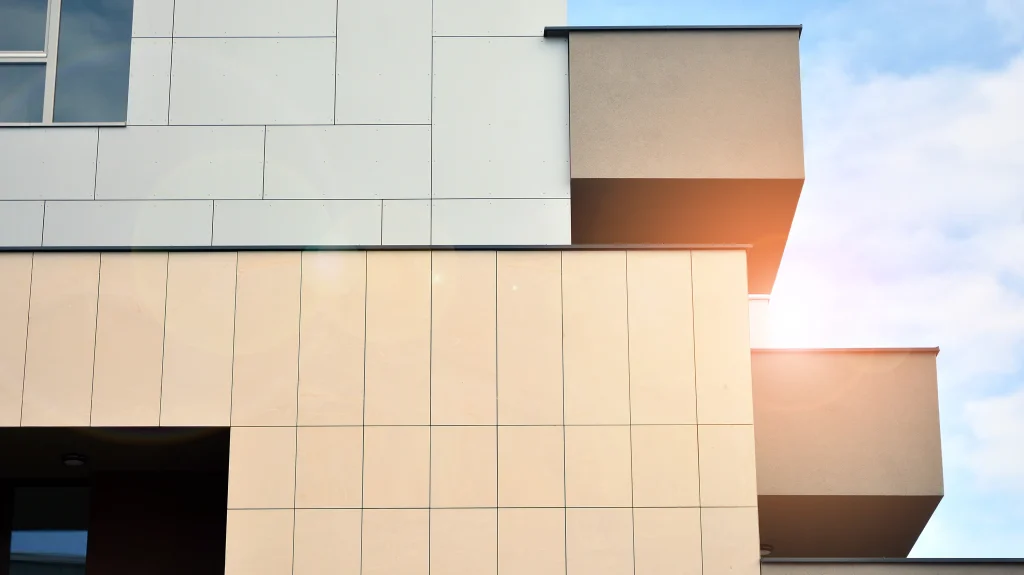
HPL Facade Panels vs Traditional Exterior Cladding Materials
| Material | Advantages | Limitations |
|---|---|---|
| Natural Stone | Premium appearance, high durability | Heavy, expensive installation |
| Wood Cladding | Natural aesthetic | Requires regular maintenance |
| Metal Panels | Modern appearance, lightweight | Can experience corrosion or thermal expansion |
| Ceramic Tiles | Durable and decorative | Installation can be complex |
| HPL Facade Panels | Lightweight, decorative, weather resistant, low maintenance | Requires proper installation system |
HPL facade panels provide a practical combination of appearance, durability, and installation efficiency, making them suitable for many architectural projects.
Common Applications of Exterior HPL Panels
HPL facade panels are widely used in:
Commercial Buildings
Office buildings, shopping centers, and retail spaces often use HPL panels to create modern and attractive exteriors.
Residential Buildings
For apartments, villas, and housing developments, HPL cladding provides a stylish appearance with reduced maintenance needs.
Hospitality Projects
Hotels and resorts benefit from HPL facade panels because they offer premium aesthetics and long-lasting performance.
Public Facilities
Schools, hospitals, transportation facilities, and cultural buildings can use HPL panels for durable exterior wall solutions.
Renovation Projects
HPL panels can also be applied to upgrade existing building facades, improving appearance and performance.

Why Choose TIANAN AUTLEAF Exterior Wall Panels?
TIANAN AUTLEAF Exterior Wall Panels are designed as high-performance HPL facade solutions for modern architectural applications.
Key advantages include:
Durable Exterior Performance
AUTLEAF panels are developed for outdoor environments, providing resistance against weather exposure and maintaining facade appearance over time.
Decorative Flexibility
With various colors, textures, and finishes available, AUTLEAF panels allow architects to achieve different design concepts.
Suitable for Modern Facade Systems
The panels can be integrated into ventilated facade designs, providing both aesthetic value and functional performance.
Reliable Manufacturing Expertise
Backed by TIANAN New Material’s experience in decorative surface materials, AUTLEAF delivers consistent quality for architectural projects.
Why Choose TIANAN AUTLEAF Exterior Wall Panels?
TIANAN AUTLEAF Exterior Wall Panels are designed as high-performance HPL facade solutions for modern architectural applications.
Key advantages include:
Durable Exterior Performance
AUTLEAF panels are developed for outdoor environments, providing resistance against weather exposure and maintaining facade appearance over time.
Decorative Flexibility
With various colors, textures, and finishes available, AUTLEAF panels allow architects to achieve different design concepts.
Suitable for Modern Facade Systems
The panels can be integrated into ventilated facade designs, providing both aesthetic value and functional performance.
Reliable Manufacturing Expertise
Backed by TIANAN New Material’s experience in decorative surface materials, AUTLEAF delivers consistent quality for architectural projects.
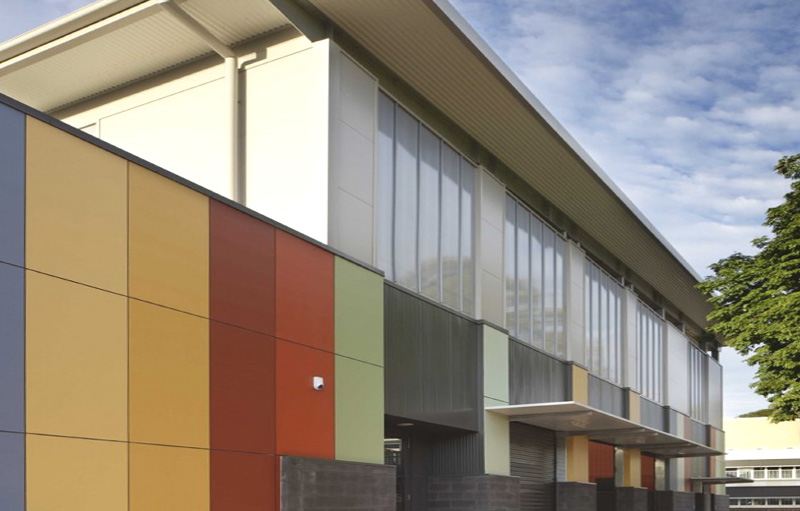
Installation Considerations for HPL Facade Panels
Professional installation is important to ensure long-term facade performance.
Typical installation considerations include:
- Proper support structure design
- Correct panel spacing
- Suitable fixing methods
- Allowance for thermal expansion
- Compliance with local building requirements
A well-designed installation system helps maximize the service life and appearance of HPL exterior cladding.
Conclusion
HPL facade panels have become an increasingly popular choice for modern exterior cladding because they combine durability, design flexibility, weather resistance, and low maintenance.
For architects, contractors, and building owners looking for a reliable exterior wall solution, TIANAN AUTLEAF Exterior Wall Panels provide a practical and attractive option for commercial, residential, and public architectural projects. For inquires, please contact us at timmy.wu@timotechs.com.