Exterior wall cladding plays a major role in how a building performs and ages over time. Beyond appearance, it affects durability, maintenance requirements, weather resistance, and overall lifecycle cost.
Among the most commonly compared materials in residential and light commercial construction are composite siding and vinyl siding. Both are widely used in modern exterior cladding systems, but they differ significantly in structure, performance, and long-term value.
This guide explains how each material works, how they compare in real-world applications, and how to choose the right option for different building needs.
What Is Composite Siding?
Definition and Material Structure
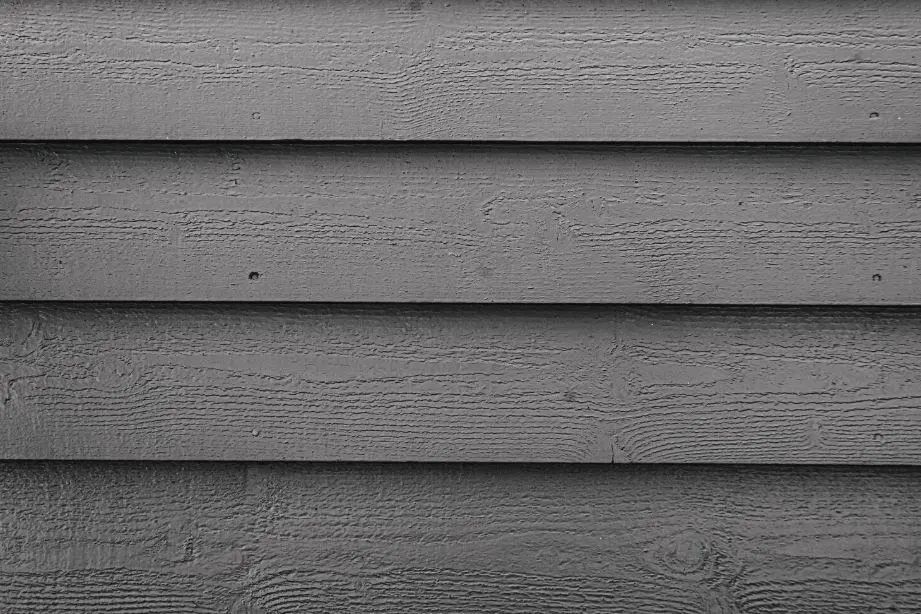
Composite siding is an engineered exterior cladding material made by combining multiple components into a single structural system. It is designed to improve durability and weather resistance while maintaining a natural, wood-like appearance.
Typical composite siding materials include:
- Wood fibers or wood flour
- Polymer binders such as PE, PVC, or PP
- Functional additives such as UV stabilizers and anti-oxidation agents
This combination allows composite siding to balance aesthetic design with enhanced structural performance.
Unlike natural wood, composite materials are engineered to reduce issues such as moisture absorption, warping, and surface cracking.
How Composite Siding Is Manufactured
Composite siding is produced through a controlled industrial process that ensures consistent material performance.
The main steps include:
- Mixing raw materials under high temperature
- Extrusion or molding into siding profiles
- Surface texturing to create wood grain or architectural finishes
- Optional co-extrusion coating for added protection
This manufacturing process helps maintain stable density and consistent quality across production batches.
Key Characteristics of Composite Siding
Composite siding is commonly chosen for projects requiring a balance between natural appearance and engineered performance.
Its main characteristics include:
- Wood-like visual texture
- Improved dimensional stability compared to natural wood
- Better resistance to moisture and environmental changes
- Moderate to high durability depending on formulation
- Suitable for architectural exterior applications
What Is Vinyl Siding?
Definition and Material Structure
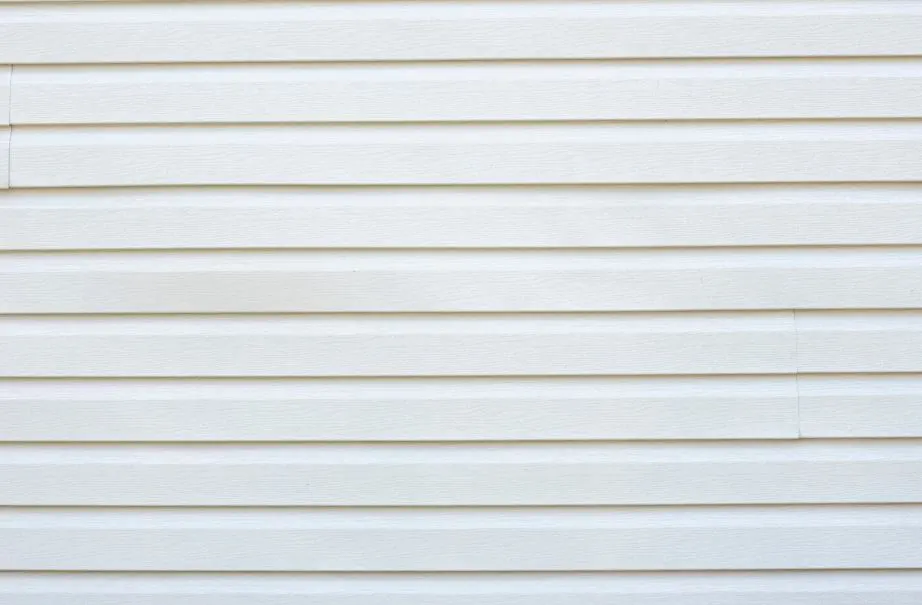
Vinyl siding is a single-material exterior cladding system made primarily from PVC (polyvinyl chloride). It is one of the most widely used exterior materials in residential construction due to its cost efficiency and ease of installation.
Unlike composite siding, vinyl siding does not combine multiple material systems. It relies on PVC as both the structural and surface material.
How Vinyl Siding Is Manufactured
Vinyl siding is produced through a relatively straightforward extrusion process:
- PVC resin is melted and formed into siding panels
- Color may be integrated into the material or applied as a surface layer
- Panels are shaped into overlapping horizontal profiles
This simplified manufacturing process contributes to its lower cost and wide availability.
Key Characteristics of Vinyl Siding
Vinyl siding is typically selected for projects where cost control and ease of maintenance are priorities.
Its main characteristics include:
- Lightweight structure
- Low maintenance requirements
- Wide range of colors and profiles
- Cost-effective exterior solution
- Good resistance to water and corrosion
Composite Siding vs Vinyl Siding – Key Differences
Understanding the differences between these two materials is essential for selecting the right exterior cladding system.
Material Composition Difference
The most fundamental difference lies in material structure:
- Composite siding is a multi-material engineered system
- Vinyl siding is a single-material PVC system
This difference directly affects performance, especially in terms of strength, thermal behavior, and long-term stability.
Composite systems are generally more structurally complex, while vinyl systems prioritize simplicity and cost efficiency.
Durability and Lifespan
Composite siding typically offers:
- Higher impact resistance
- Better structural rigidity
- More stable long-term performance under varying conditions
Vinyl siding offers:
- Good durability under normal residential conditions
- Adequate lifespan in moderate climates
- Potential sensitivity to extreme heat or physical impact
In general, composite siding is often selected for projects requiring higher long-term durability expectations.
Weather Resistance Performance
Both materials are designed for outdoor use, but they respond differently to environmental conditions.
Composite siding:
- Better performance under temperature variation
- Improved resistance to moisture-related deformation
- More stable in long-term exposure environments
Vinyl siding:
- Naturally water-resistant
- May become more flexible under high heat conditions
- Can be affected by prolonged UV exposure depending on quality grade
Climate conditions play an important role in material selection.
Maintenance Requirements
One of the key reasons both materials are popular is their relatively low maintenance compared to natural wood.
Composite siding:
- Requires occasional cleaning
- May need surface care depending on finish type
- Lower maintenance than traditional timber
Vinyl siding:
- Very low maintenance
- Typically only requires periodic washing
- No painting or sealing required
Vinyl siding generally has the lowest maintenance demand among the two.
Aesthetic and Design Options
Appearance is often a deciding factor in exterior cladding selection.
Composite siding:
- Designed to replicate natural wood textures
- Offers more architectural depth and variation
- Common in modern and premium façade designs
Vinyl siding:
- Available in many colors and profiles
- More uniform and industrial appearance
- Less texture variation compared to composite materials
Composite siding is often preferred when natural aesthetics are a priority.
Installation Considerations
Installation methods differ due to material structure.
Composite siding:
- Often requires subframe systems
- Expansion gaps are necessary for thermal movement
- Heavier compared to vinyl systems
Vinyl siding:
- Lightweight and easier to handle
- Faster installation process
- More forgiving during installation
Vinyl systems are generally easier to install, while composite systems require more precise installation planning.
Cost Comparison
Cost is a major factor in material selection.
Vinyl siding:
- Lower initial material and installation cost
- Budget-friendly for residential projects
Composite siding:
- Higher upfront cost
- Potentially better long-term value due to durability and reduced maintenance cycles
The choice often depends on whether the focus is short-term budget or long-term performance.
Exterior Cladding Performance Factors That Matter
Beyond material comparison, several external factors influence performance.
Climate Conditions
- Hot climates require better UV resistance
- Humid environments require moisture stability
- Cold regions require controlled expansion behavior
Building Type
- Residential buildings often prioritize cost and appearance
- Commercial buildings prioritize durability and consistency
- Renovation projects may prioritize installation flexibility
Lifecycle Expectations
Some projects focus on minimizing initial investment, while others prioritize long-term maintenance reduction and performance stability.
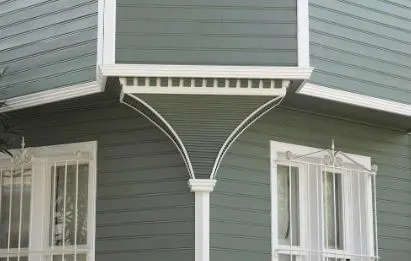
Composite Siding vs Vinyl Siding – Which One Should You Choose?
When Composite Siding Is a Better Choice
Composite siding is more suitable for:
- Projects requiring natural wood-like appearance
- Higher-end residential or commercial buildings
- Long-term durability-focused developments
- Architectural façade systems
When Vinyl Siding Is a Better Choice
Vinyl siding is more suitable for:
- Budget-sensitive residential projects
- Standard housing developments
- Projects requiring fast installation
- Basic exterior cladding needs
Key Decision Summary
The choice between composite siding and vinyl siding is not about which is universally better, but about which is more suitable for specific project requirements such as:
- Budget
- Climate conditions
- Design expectations
- Maintenance strategy
- Lifespan requirements

Conclusion
Composite siding and vinyl siding are both widely used exterior cladding materials, but they serve different priorities in construction projects.
Composite siding focuses more on durability and natural aesthetics, while vinyl siding emphasizes cost efficiency and ease of installation.
Selecting the right material depends on balancing performance requirements, environmental conditions, and long-term project goals.
If you are looking for reliable exterior cladding solutions for residential or commercial projects, feel free to contact TIANAN timmy.wu@timotechs.com for product recommendations, technical support, and customized material options.