Neither LVP (Luxury Vinyl Plank) nor sheet vinyl flooring is universally better. The right choice depends on where the flooring will be installed, your budget, the appearance you want, and how the space will be used.
If you want a floor that closely resembles hardwood planks and is easy to replace if damaged, LVP is often the preferred option. If your priority is covering large areas with fewer seams, excellent water resistance, and a lower material cost, sheet vinyl flooring may be the better solution.
This guide compares both flooring types in detail, explains where each performs best, and helps you choose the option that fits your project rather than simply choosing the more popular product.
LVP vs. Sheet Vinyl Flooring: A Quick Comparison
| Feature | LVP Flooring | Sheet Vinyl Flooring |
|---|---|---|
| Appearance | Realistic wood plank look | Available in wood, stone, and abstract designs |
| Installation | Individual click-lock or glue-down planks | Large continuous rolls |
| Seams | Multiple plank joints | Very few seams in most rooms |
| Water Resistance | Excellent | Excellent, especially with minimal seams |
| Damaged Area Repair | Individual planks can often be replaced | Repairs may be more visible; replacement may involve a larger section |
| Typical Applications | Living rooms, bedrooms, offices, retail spaces | Bathrooms, kitchens, laundry rooms, healthcare, rental properties |
The table provides a quick overview, but choosing between the two requires looking beyond specifications. Understanding how they perform in real-world situations is far more useful than comparing features alone.
What Is the Difference Between LVP and Sheet Vinyl Flooring?
Although both products belong to the vinyl flooring family, they are manufactured differently and are designed to solve different flooring needs.
LVP is produced as individual planks that imitate the size and appearance of hardwood flooring. Each plank is installed separately, creating a floor that closely resembles traditional wood flooring.
Sheet vinyl flooring, by contrast, is manufactured in large continuous rolls. Instead of assembling individual planks, installers cut and fit the material to the room, reducing the number of seams across the finished floor.
This structural difference influences almost every aspect of their performance, from installation and appearance to maintenance and repairs.
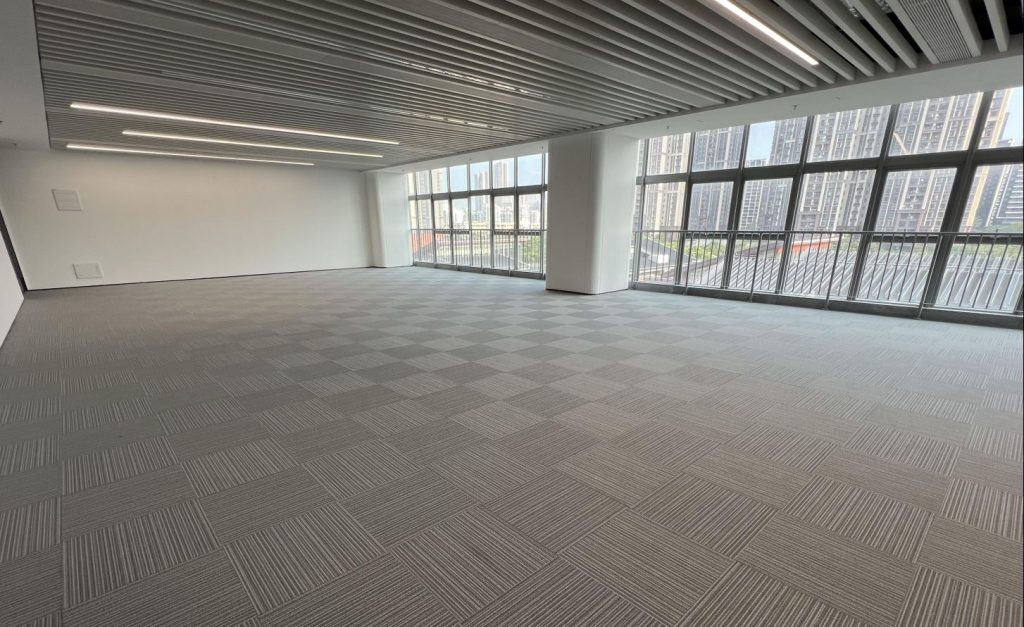
Which Flooring Looks More Realistic?
If achieving the appearance of natural hardwood is your top priority, LVP generally has the advantage.
Modern LVP products often feature:
- Embossed wood grain textures
- Synchronized surface patterns
- Beveled plank edges
- A wide variety of wood species and color options
Because each plank resembles a real wood board, the finished floor often creates a more authentic hardwood appearance.
Sheet vinyl flooring has also improved significantly in recent years. High-definition printing technologies allow it to reproduce wood and stone patterns more realistically than older vinyl products. However, because the design is printed on a continuous sheet, it typically lacks the depth and individual plank definition that many people associate with real hardwood flooring.
For projects where design is the primary consideration—such as living rooms, bedrooms, hotels, or office reception areas—LVP is often chosen for its more natural plank appearance.
Which Flooring Performs Better Around Water?
Both products offer excellent water resistance, but they achieve it in different ways.
LVP is manufactured from waterproof vinyl materials, making it suitable for areas exposed to everyday moisture and occasional spills.
However, because LVP consists of individual planks, the finished floor contains multiple joints. A properly installed locking system helps create tight connections, but the floor still contains seams between planks.
Sheet vinyl flooring approaches water resistance differently.
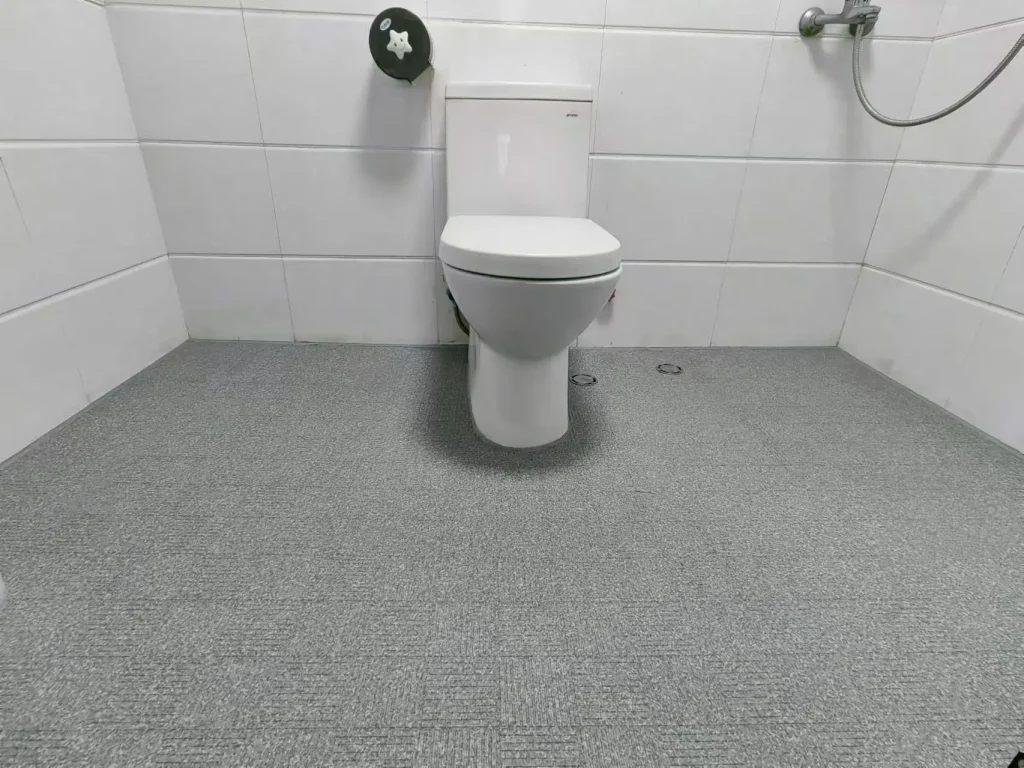
Because it is installed in large continuous sheets, many rooms require very few seams. Fewer joints reduce the number of locations where water can potentially penetrate the floor, making sheet vinyl particularly practical for spaces that experience frequent moisture.
This is one reason why sheet vinyl continues to be widely used in environments such as:
- Bathrooms
- Laundry rooms
- Utility rooms
- Healthcare facilities
- Educational buildings
- Commercial kitchens
Which Flooring Is More Durable?
Durability depends on product quality, wear layer thickness, and daily use rather than the flooring category alone.
High-quality LVP is designed to withstand heavy residential traffic and many commercial environments. Its rigid construction and protective wear layer help resist scratches, stains, and everyday wear.
Sheet vinyl flooring is also highly durable, especially in environments where continuous surface coverage is more important than resisting concentrated impact.
For example:
- In a busy family kitchen, both products can provide years of reliable performance when properly maintained.
- In healthcare or commercial facilities where frequent cleaning is required, sheet vinyl’s continuous surface can offer practical maintenance advantages.
- In spaces with heavy furniture that may need to be moved or replaced, LVP can simplify localized repairs if individual planks become damaged.

Which Flooring Is Easier to Install?
Installation is one of the biggest practical differences between the two products.
Many modern LVP products use click-lock systems that allow individual planks to connect without nails. This has made LVP a popular option for both professional installers and experienced DIY users.
Sheet vinyl installation is different.
Because it is supplied in large rolls, installers typically measure the room, cut the material to size, position it accurately, and apply adhesive where required. In larger or more complex rooms, careful fitting is essential to achieve clean edges and a professional finish.
Neither method is inherently better.
LVP often provides greater flexibility for phased renovations or smaller projects, while sheet vinyl can efficiently cover large open areas with fewer joints.
If you choose sheet vinyl flooring for your project, understanding the installation process is important. You can learn more about preparation, cutting, and installation steps in our guide to how to install vinyl sheet flooring.
Which Flooring Is Easier to Repair?
This is one of the most overlooked differences between the two flooring types.
If a section of LVP becomes damaged, it is often possible to remove and replace only the affected plank, depending on the installation method and the location of the damage.
With sheet vinyl flooring, repairs can be more challenging because the flooring is installed as a continuous sheet. While localized repairs are sometimes possible, achieving an invisible repair is generally more difficult than replacing an individual LVP plank.
For households with active children, pets, or commercial environments where accidental damage is more likely, this difference may be worth considering during the decision-making process.
Which Flooring Is Easier to Maintain?
Both LVP and sheet vinyl flooring are known for being relatively low-maintenance, but the way they are cleaned can differ slightly depending on the environment.
For day-to-day care, both flooring types generally require only:
- Regular sweeping or vacuuming to remove dust and grit
- Occasional damp mopping with a manufacturer-approved cleaner
- Prompt cleanup of spills to prevent dirt buildup
The main difference comes from the floor’s construction.
Because sheet vinyl is installed with fewer seams, there are fewer joints where dirt and moisture can collect. This makes routine cleaning particularly convenient in areas that are cleaned frequently, such as bathrooms, kitchens, healthcare facilities, and commercial spaces.
LVP is equally easy to maintain in most residential settings, but the small joints between planks may require a little more attention to prevent dirt from accumulating over time.
For everyday use, however, neither option requires extensive maintenance, making both a practical alternative to natural wood flooring.
Which Flooring Offers Better Long-Term Value?
Many people compare only the purchase price, but the total cost of ownership is often more important than the initial material cost.
A lower-priced floor may not necessarily be the better investment if it needs to be replaced sooner or requires more frequent repairs.
When evaluating long-term value, consider factors such as:
- Expected service life
- Maintenance requirements
- Ease of repairing damaged areas
- Installation costs
- Suitability for the intended environment
For example, LVP may justify a higher initial investment in a living room where appearance is a priority and the ability to replace individual planks is valuable.
In contrast, sheet vinyl may provide better overall value in a rental property, utility room, or healthcare facility where durability, easy cleaning, and large-area coverage are more important than replicating the look of hardwood.
Rather than asking which flooring is cheaper, it is often more useful to ask which flooring is likely to perform better over the life of your project.
Which Flooring Is Better for Different Applications?
The best choice depends on how the space will be used.
Living Rooms
If creating the look of hardwood flooring is your main goal, LVP is generally the preferred option. Its plank format and realistic wood textures make it well suited to spaces where design plays an important role.
Bedrooms
Both flooring types can perform well, but many homeowners choose LVP for bedrooms because of its wood-like appearance and comfortable feel underfoot.
Bathrooms
Both materials offer good water resistance, but sheet vinyl’s continuous surface and minimal seams make it a practical solution for bathrooms where frequent moisture exposure is expected.
Kitchens
Either flooring can work well in kitchens.
LVP is often selected for its appearance, while sheet vinyl may be preferred when minimizing seams and simplifying cleaning are higher priorities.
Rental Properties
For budget-conscious renovation projects, sheet vinyl flooring is often chosen because it can efficiently cover large areas and is generally economical to install and maintain.
Commercial and Healthcare Facilities
Sheet vinyl flooring continues to be widely specified in hospitals, clinics, schools, and other commercial environments because its continuous surface supports efficient cleaning and helps reduce the number of joints across the floor.
Retail stores, offices, hotels, and other commercial interiors that prioritize aesthetics often favor commercial-grade LVP for its realistic wood appearance and durable wear surface.
FAQs
Both flooring types provide excellent water resistance. The main difference is that sheet vinyl is installed with fewer seams, while LVP consists of individual planks connected together. The better choice depends on the installation environment rather than the material alone.
No. Although LVP has become increasingly popular in residential interiors, sheet vinyl remains widely used in homes, healthcare facilities, educational buildings, hospitality projects, and commercial spaces because of its practical performance and ease of maintenance.
Material prices vary depending on quality, thickness, wear layer, and brand. In many cases, sheet vinyl offers a lower initial material cost, while LVP may provide greater design flexibility and easier repairs. Comparing overall project costs is more meaningful than comparing material prices alone.
There is no universal answer. The lifespan of either flooring depends on product quality, installation, maintenance, and traffic levels. High-quality products in either category can provide many years of reliable performance when used in appropriate environments.
Final Thoughts
LVP and sheet vinyl flooring are designed for different priorities rather than different levels of quality.
If your goal is to achieve the appearance of natural hardwood with the flexibility of replacing individual planks, LVP is often an excellent choice.
If you need a durable, water-resistant flooring solution with fewer seams and efficient maintenance—particularly for moisture-prone or high-use environments—sheet vinyl flooring remains a highly practical option.
Instead of choosing the flooring that is currently the most popular, focus on selecting the one that best matches your space, budget, and long-term performance expectations. The right flooring is the one that meets the specific demands of your project, not simply the one with the most features.
If you’re looking for high-quality sheet vinyl flooring for residential or commercial projects, feel free to contact us at timmy.wu@timotechs.com. Our team can help you find the right flooring solution based on your application, budget, and performance requirements.