In recent years, flooring has evolved from a purely decorative element into a critical component of modern construction systems. In 2026, this transformation is accelerating as the global building industry becomes more industrialized, standardized, and efficiency-driven.
Traditionally, flooring was evaluated mainly based on appearance and cost. However, in today’s commercial construction environment, it is increasingly assessed from a system perspective, including:
- Installation efficiency
- Lifecycle cost
- Material stability
- Supply chain reliability
In commercial buildings, hospitality projects, retail spaces, and large-scale residential developments, decision-makers are no longer focusing solely on material price. Instead, they are prioritizing total project performance and long-term operational efficiency.
This shift is a key driver behind flooring trends 2026, where materials are evaluated as part of integrated construction systems rather than standalone products.
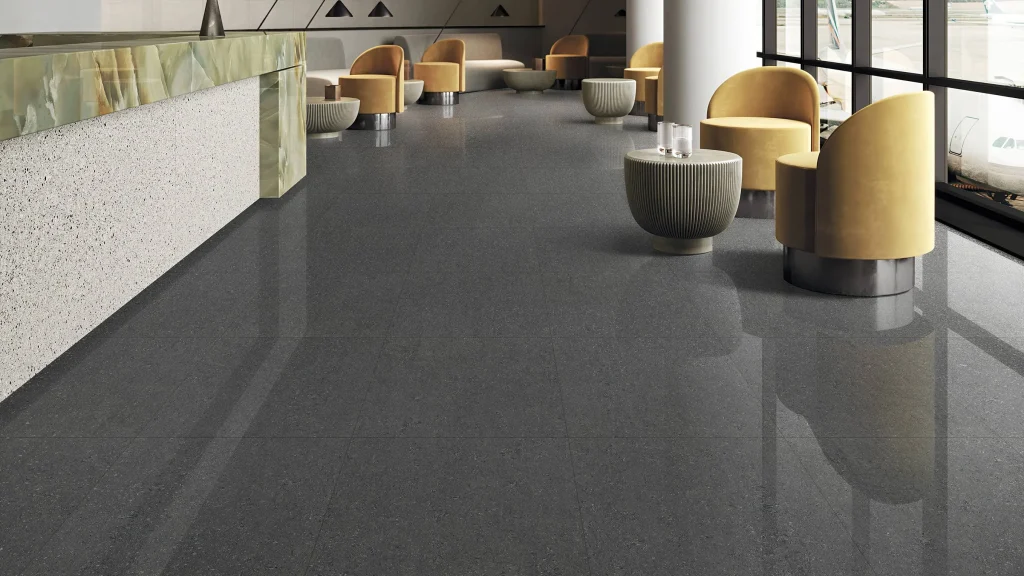
Overview of the Flooring Industry in 2026
The global flooring market in 2026 is undergoing a structural transformation, shifting toward a more engineering-driven and system-based approach.
1. From Decorative Material to Performance System
Flooring is no longer viewed only as a design element. Instead, it is increasingly treated as a performance-based construction component that directly impacts project execution and lifecycle outcomes.
Key changes include:
- Higher durability expectations
- Stricter installation requirements
- Greater focus on long-term maintenance costs
2. Growing Demand for Fast Installation Systems
Rising labor costs and tighter construction schedules are pushing the industry toward faster installation solutions. In commercial projects, construction time is a critical factor affecting investment returns.
As a result, demand is increasing for systems such as:
- SPC flooring click systems
- Modular flooring solutions
Related Articles:
Complete Installation Guide for SPC Flooring Installation
3. Waterproofing and Stability as Baseline Requirements
By 2026, waterproof performance is no longer a premium feature—it is a baseline requirement. This is especially important in hotels, residential buildings, and retail environments where moisture exposure is common.
Materials are now expected to deliver:
- High moisture resistance
- Structural stability
- Dimensional consistency
4. Lifecycle Cost Over Initial Price
More developers and contractors are adopting Total Cost of Ownership (TCO) models instead of focusing on upfront material costs.
TCO includes:
- Material cost
- Installation cost
- Maintenance cost
- Replacement cost
- Operational downtime cost
This is one of the main reasons why SPC flooring adoption continues to grow in commercial applications.
Related Articles:
SPC Flooring: Pros, Cons, and Is It the Right Choice for Your Project?
Trend 1: Warm Natural Tones Become the Dominant Design Direction
One of the most visible changes in flooring trends 2026 is the shift from cold, industrial grey tones to warm, natural color palettes.
This change is not purely aesthetic—it is closely linked to functional space design.
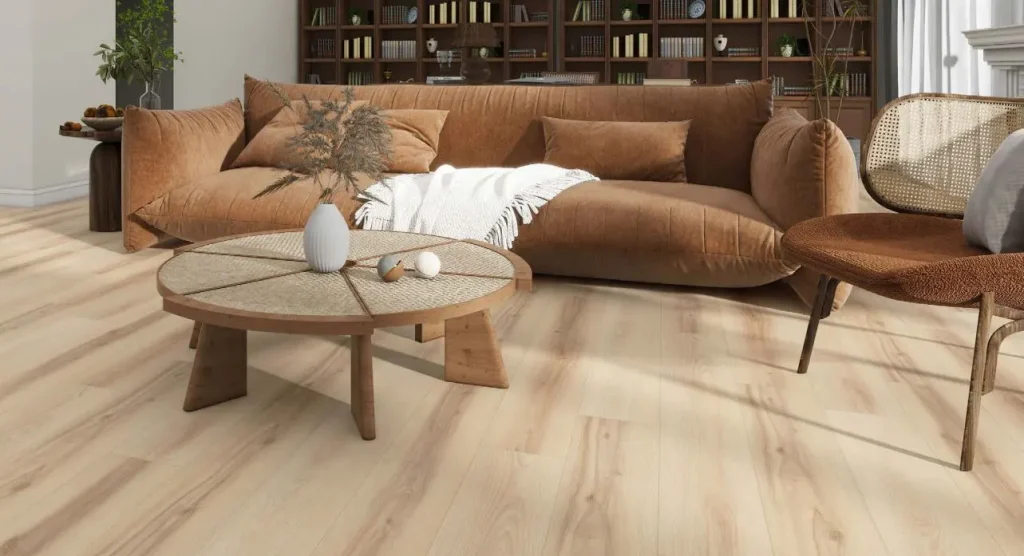
Why warm tones are becoming mainstream
Modern commercial spaces are shifting from “display-oriented environments” to “experience-driven environments.” Hotels, offices, and retail spaces now focus more on user comfort and dwell time.
Research in spatial psychology shows that warm tones help create a more comfortable environment, encouraging longer occupancy and improved user experience.
Additionally, post-pandemic design trends emphasize human-centered spaces, where emotional comfort is as important as visual appeal.
Impact on materials
This trend is directly driving demand for wood-look SPC flooring, especially in:
- Oak finishes
- Light walnut tones
- Beige and neutral natural textures
At the same time, the use of cold-tone ceramic finishes is gradually decreasing in certain commercial applications.
Applications
- Hotel interiors
- Office environments
- Mid-to-high-end residential projects
Trend 2: Large Format Flooring Becomes the New Standard
In modern architecture, spatial continuity and visual expansion are becoming increasingly important. As a result, large format flooring is gaining strong momentum.
Why large format flooring is growing
Large format materials reduce the number of visible joints, creating a more unified and premium visual effect. This is particularly important in commercial spaces where design consistency directly influences customer perception.
From a construction perspective, fewer joints also mean improved installation efficiency and reduced labor intensity.
Industry estimates suggest that large format flooring can reduce installation time by approximately 15%–30%, depending on project complexity.
Engineering advantages
Beyond aesthetics, large format flooring offers several long-term benefits:
- Reduced joint contamination risk
- Lower maintenance requirements
- Improved surface continuity
- Easier cleaning and upkeep
Applications
- Shopping malls
- Airports
- Large office buildings
- Exhibition centers
Connection with SPC flooring
Large format design trends align closely with SPC flooring due to its structural stability and dimensional consistency. This makes SPC flooring particularly suitable for large-scale commercial installations.
Trend 3: Waterproof and High-Stability Flooring Becomes a Baseline Standard
By 2026, waterproof flooring is no longer considered an upgrade feature—it is a fundamental requirement.
Market drivers
Several factors are accelerating this trend:
- Increasing humidity-related issues in global climates
- Higher usage intensity in commercial spaces
- Rising maintenance cost pressure
SPC flooring structural advantages
SPC flooring is widely adopted in this context due to its:
- 100% waterproof core structure
- High dimensional stability
- Resistance to temperature and humidity changes
Unlike traditional surface-treated materials, SPC flooring provides structural-level waterproof performance.
Comparison with ceramic tiles
Ceramic tiles provide surface-level water resistance, but grout lines often become weak points over time, potentially leading to:
- Moisture penetration
- Mold growth
- Maintenance challenges
In contrast, SPC flooring delivers system-level waterproof performance.
Applications
- Hotels
- Retail stores
- Residential apartments
- Healthcare environments
Trend 4: Modular and Click-System Flooring Becomes the Construction Standard
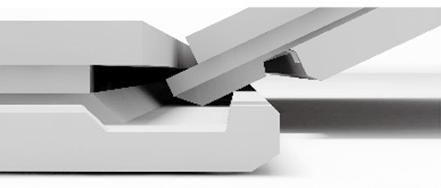
Construction efficiency is becoming a key competitive factor in the global building industry. As labor costs rise and project timelines tighten, traditional installation methods are being replaced by modular systems.
Industry background
The construction sector is facing two major challenges:
- Shortage of skilled labor
- Increasing pressure on project delivery timelines
These challenges are driving demand for quick-install flooring systems.
Advantages of click-system flooring
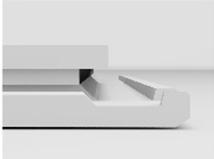
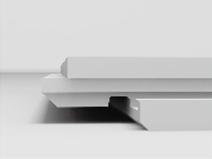
SPC flooring with click-lock systems offers:
- No adhesive or mortar required
- Standardized installation process
- Lower skill requirements for installers
- Faster repair and replacement
Engineering value
Modular flooring systems reduce variability in installation quality and improve project consistency, especially in large-scale developments.
Applications
- Chain retail projects
- Hotel renovation projects
- Large residential developments
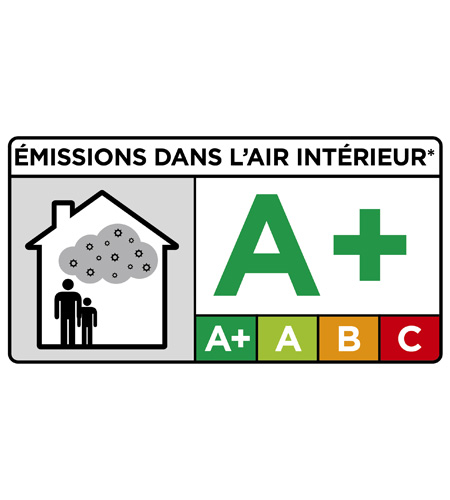
Trend 5: Sustainability and Low-VOC Materials Become Mandatory Requirements
Environmental compliance is becoming a strict requirement in global construction procurement.
Key developments
- Stricter VOC emission regulations
- Increased focus on indoor air quality
- Mandatory environmental certifications in many regions
Impact on flooring materials
Manufacturers must now comply with:
- VOC emission testing
- Formaldehyde control standards
- Third-party environmental certifications
TIANAN capability overview
TIANAN supports material compliance through:
- CNAS-certified laboratories
- VOC and chemical performance testing
- Material durability evaluation systems
This ensures products meet international construction standards.
Trend 6: Integration of Flooring and Wall Systems
A key evolution in 2026 is the shift from standalone materials to integrated interior systems.
Industry shift
Traditional model:
- Flooring and wall materials selected separately
Modern model:
- Integrated interior system solutions
Advantages
- Improved design consistency
- Better material compatibility
- Simplified project management
- Reduced supply chain complexity
Applications
- Commercial projects
- Large residential developments
- Public infrastructure
Procurement Perspective: What Buyers Care About in 2026
From a B2B procurement standpoint, decision-making is increasingly driven by system-level evaluation rather than product comparison.
Key priorities include:
- Installation efficiency
- Total lifecycle cost
- Supply chain stability
- Quality consistency
- Technical support capability
These factors are becoming more important than individual product specifications.
Manufacturing Capability Is Driving Flooring Trends
A key industry shift in 2026 is that flooring trends are no longer defined solely by design preferences, but increasingly by manufacturing capability.
Modern flooring systems require:
- Automated production systems
- Multi-factory manufacturing capacity
- R&D and material development capabilities
- Quality control and testing infrastructure
TIANAN manufacturing strength
As a comprehensive building materials manufacturer, TIANAN provides:
- Large-scale production capacity
- Advanced R&D systems
- CNAS-certified testing laboratories
- Integrated material solution capabilities
These capabilities ensure reliable delivery for global construction projects.
Conclusion: The Core Transformation of the Flooring Industry in 2026
The evolution of flooring trends 2026 can be summarized in three major shifts:
1. From material selection to system-based decision-making
2. From design-driven to performance-driven evaluation
3. From single products to integrated solutions
The flooring industry in 2026 is no longer defined by which material performs better individually, but by which system delivers better overall project outcomes.
If you are looking for durable, efficient, and modern flooring solutions for your next project, contact TIANAN timmy.wu@timotechs.com to get expert support and tailored material recommendations.
FAQ
The main flooring trends for 2026 focus on performance, efficiency, and sustainability. Key directions include SPC flooring growth, waterproof and stable material systems, large-format flooring, modular click-installation systems, and integrated interior solutions. Compared to previous years, flooring selection is increasingly driven by lifecycle cost and construction efficiency rather than only design aesthetics.
SPC flooring is gaining popularity because it offers strong structural stability, 100% waterproof performance, and fast click-system installation. In commercial projects, it reduces installation time and maintenance costs while providing consistent performance across different environments. These advantages make SPC flooring a preferred choice for hotels, retail spaces, and residential developments.
Commercial flooring trends in 2026 are shifting from design-focused selection to performance-based decision-making. Developers now prioritize durability, installation efficiency, and total lifecycle cost. Materials that support fast installation systems and large-scale project consistency are becoming more widely adopted.
Yes, ceramic tiles are still widely used, especially in traditional and high-load applications. However, in many commercial interior projects, they are gradually being replaced or complemented by SPC flooring and other rigid core materials due to faster installation and improved maintenance efficiency.
Sustainability is becoming a core requirement in flooring selection. Many projects now require low-VOC materials, formaldehyde control, and environmental certifications. Flooring products must meet stricter indoor air quality standards, especially in public and commercial buildings.
Large-format flooring systems are popular because they reduce visible joints, improve visual continuity, and increase installation efficiency. Fewer seams also mean lower maintenance requirements and better long-term cleanliness, making them ideal for large commercial spaces such as malls and airports.
Modular flooring systems, such as click-lock SPC flooring, allow faster installation without adhesives or wet construction methods. This reduces labor costs, shortens project timelines, and ensures more consistent installation quality, especially in large-scale or chain projects.
Flooring trends are increasingly shaped by manufacturing capabilities. Advanced production systems, quality control, and material R&D determine product consistency and scalability. Manufacturers with strong technical capabilities can better support global commercial projects with stable supply and quality assurance.
Contractors typically focus on installation efficiency, total lifecycle cost, supply stability, quality consistency, and technical support. These factors are often more important than initial material cost, especially in large commercial and infrastructure projects.