China has become one of the most important global sources for WPC wall panel suppliers, offering a wide range of products, scalable production capacity, and competitive pricing. For distributors, contractors, and project developers, sourcing from China is often a practical and strategic choice.
At the same time, the market includes suppliers with different manufacturing systems, material formulations, and service capabilities. This makes it important to evaluate suppliers based on clear and objective criteria rather than price alone.
This guide focuses on how to identify a reliable WPC wall panel supplier in China, based on production capability, material consistency, product structure, and project support.
Why China Is a Key Market for WPC Wall Panel Suppliers
China’s strength in WPC wall panel manufacturing comes from a combination of industrial scale and supply chain integration.
1. Complete Material Supply Chain
WPC panels are typically made from wood fibers, thermoplastics, and additives that improve performance such as UV resistance and durability . China has direct access to all of these raw materials, allowing manufacturers to control both cost and formulation.
2. Scalable Manufacturing Infrastructure
Many suppliers operate large-scale production facilities with multiple extrusion lines, enabling them to handle both small custom orders and large-volume projects efficiently.
3. Product Diversity and Customization
Suppliers in China typically offer:
- Multiple panel structures (Grille, Great Wall, Flat panels)
- Surface finishes (embossing, lamination, UV coating)
- Custom colors and dimensions
This flexibility allows buyers to match products to specific project requirements rather than adapting design to limited product options.
At this stage, the key takeaway is:
The availability of options is high — which makes supplier evaluation even more important.
Key Factors to Evaluate a WPC Wall Panel Supplier in China
Choosing a supplier is not about identifying the “best” one, but about finding a partner whose capabilities align with your project requirements.
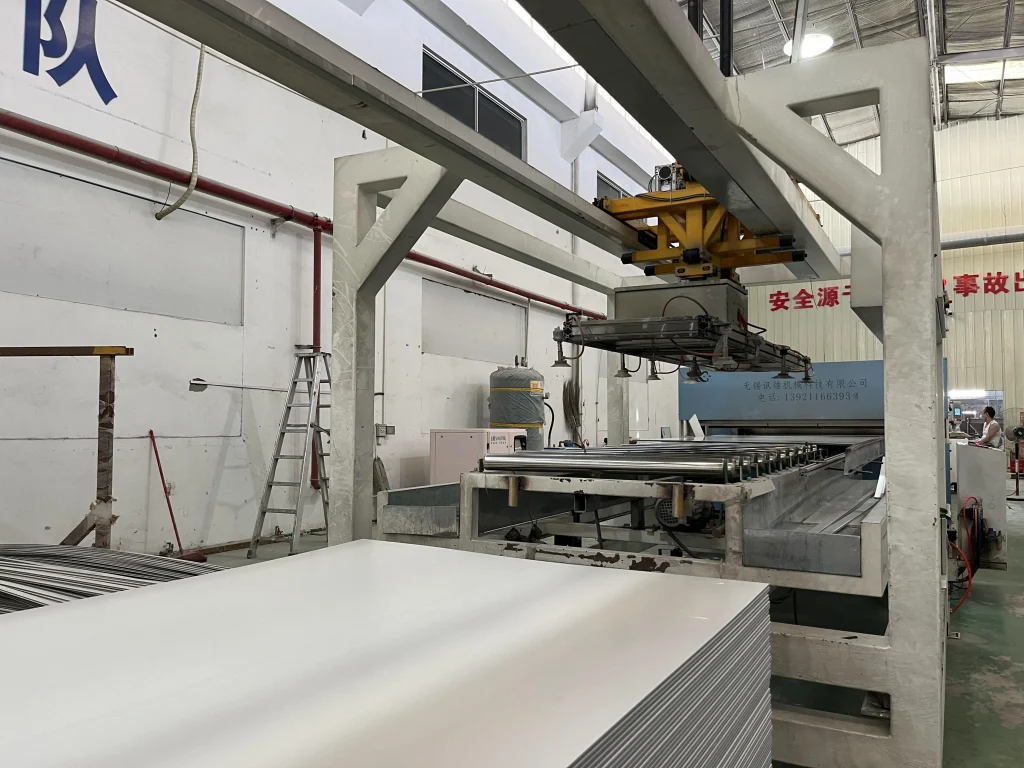
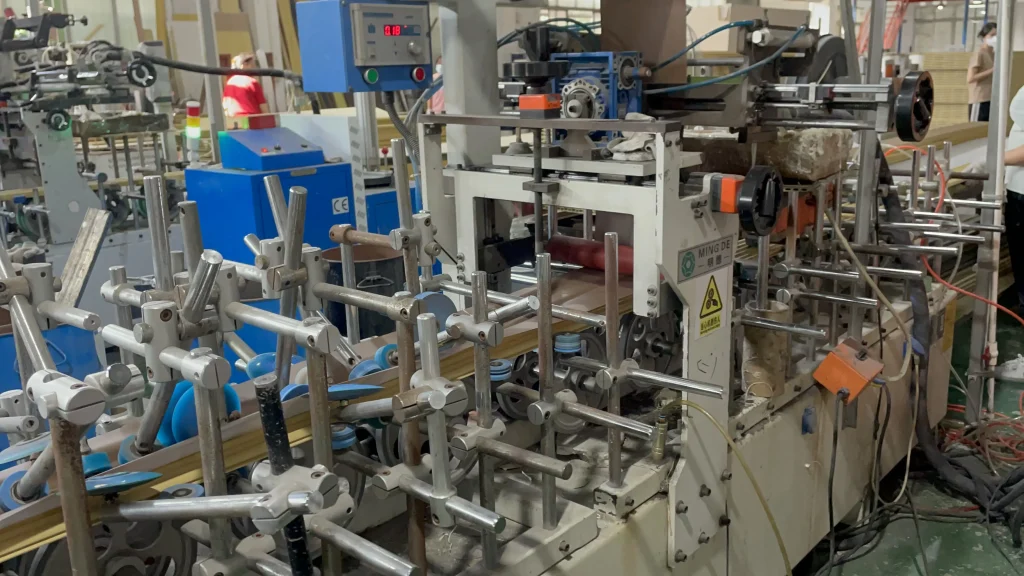
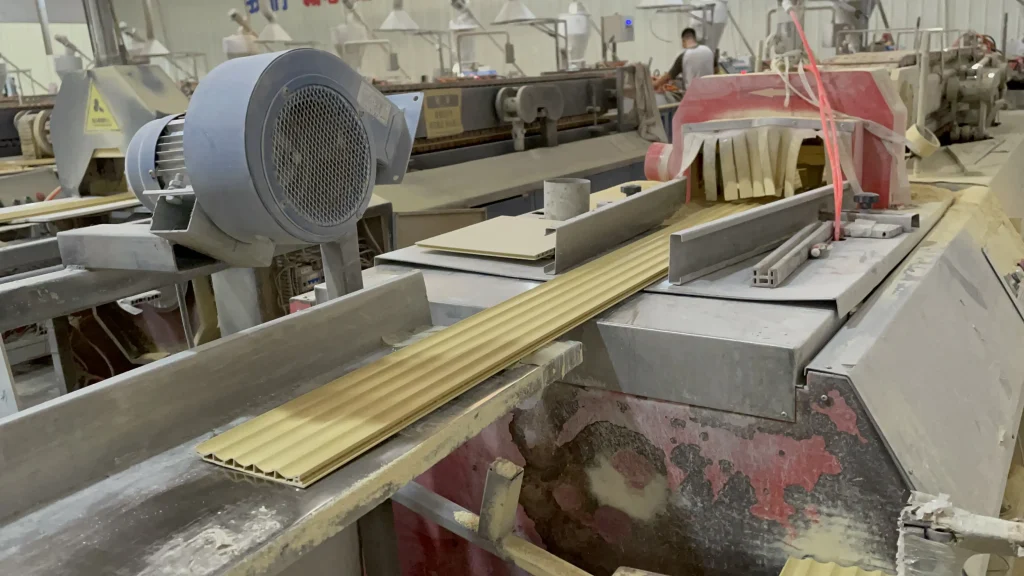
Manufacturing Capability
A supplier’s manufacturing system directly affects production stability, lead time, and consistency.
Key aspects to evaluate:
- Whether the supplier operates in-house production facilities
- Number and type of production lines (extrusion, lamination, finishing)
- Monthly output capacity
- Level of automation
Why this matters:
WPC panels are produced through extrusion and surface processing. Variations in equipment precision or process control can lead to differences in panel thickness, density, or surface finish.
In large-scale projects, consistent production conditions help ensure that panels delivered across different batches maintain the same appearance and structural performance.
Product Quality and Material Stability
The performance of WPC wall panels is highly dependent on material formulation and process control.
Typical composition includes:
- Wood fiber (natural reinforcement)
- Thermoplastic polymers such as PVC or PE
- Additives for UV stability and durability
Key technical factors to consider:
1. Density
Higher density generally improves:
- Structural strength
- Impact resistance
- Dimensional stability
2. Wood-Plastic Ratio
- Higher wood content → more natural texture but potentially more brittleness
- Higher plastic content → better flexibility and moisture resistance
3. Surface Treatment
Common options include:
- UV coating
- Laminated film
- Embossed texture
These affect:
- Scratch resistance
- Color stability
- Visual consistency
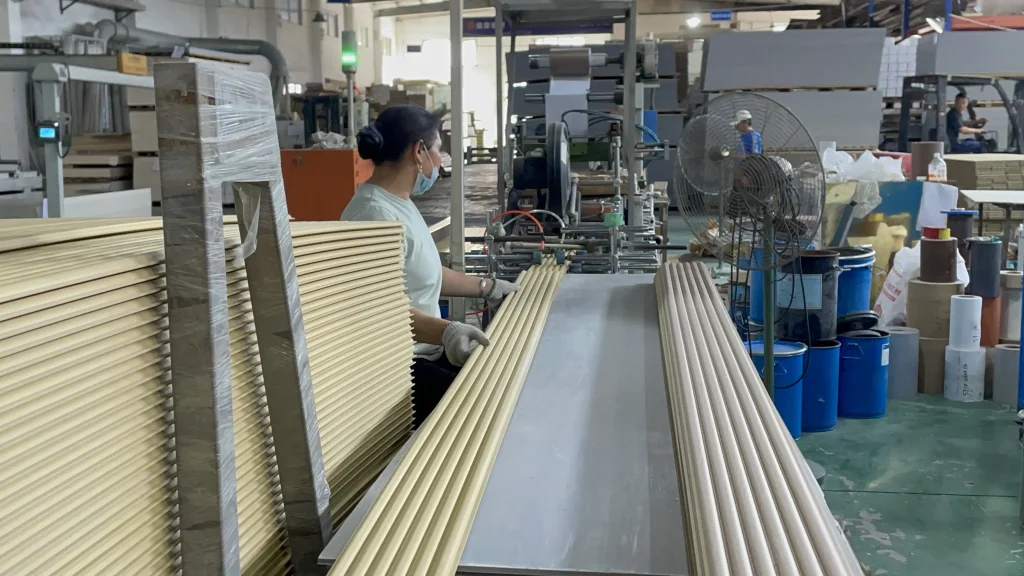
A reliable supplier should be able to clearly explain these parameters, not just provide product images.
Certification and Compliance
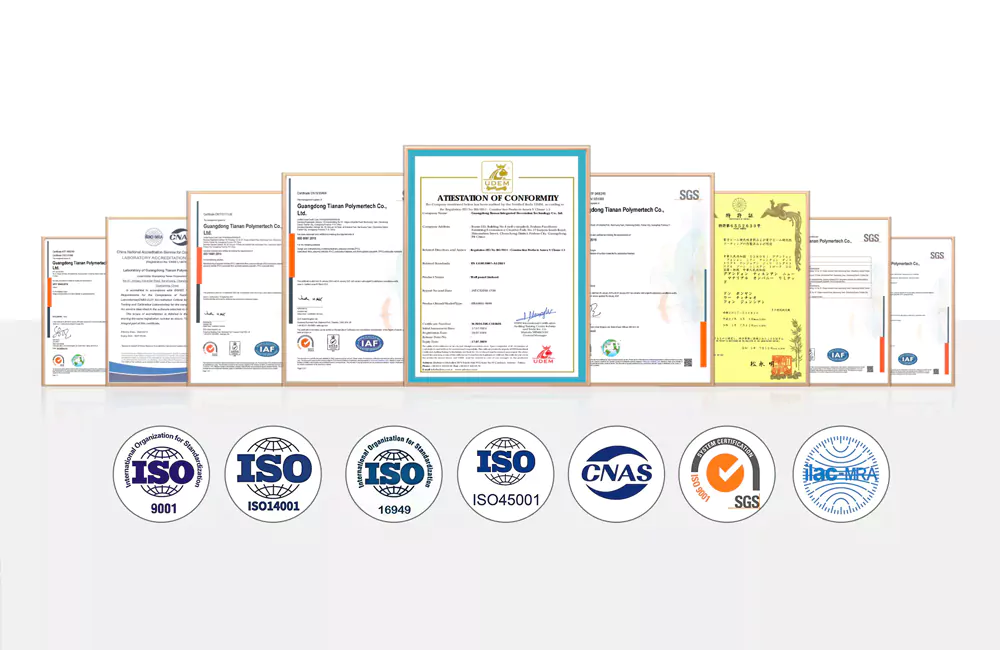
For international projects, compliance with standards is often a basic requirement rather than an added advantage.
Typical certifications may include:
- ISO quality management systems
- CE marking (for European markets)
- Environmental testing (VOC, formaldehyde)
Why this matters:
Different markets have different regulatory requirements. Ensuring compliance early helps avoid delays in project approval or customs clearance.
Product Range and Customization
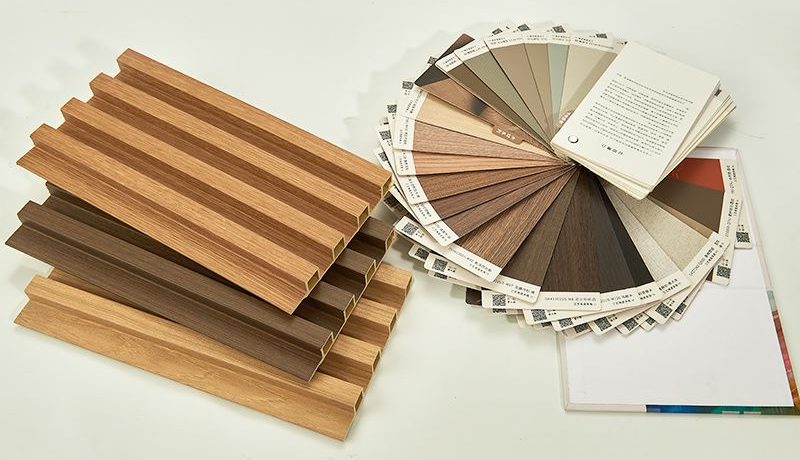
WPC wall panels are not a single product category but a system of structural types and surface designs.
A well-structured supplier should offer:
- Multiple panel profiles
- Consistent color systems
- Matching accessories (corners, trims, connectors)
Customization capabilities may include:
- Size adjustments
- Color matching
- Surface texture development
This becomes particularly important in projects where visual consistency across large areas is required.
International Experience and Project Support
Beyond product manufacturing, project coordination plays a key role in supplier selection.
Important considerations:
- Experience with export packaging and logistics
- Ability to support documentation and compliance requirements
- Technical communication (drawings, installation guidance)
WPC panels are used in residential, commercial, and exterior applications due to their durability, moisture resistance, and low maintenance characteristics .
However, successful project execution depends not only on the product itself, but also on how well the supplier supports installation and application.
Types of WPC Wall Panels Available from Suppliers
Understanding panel types helps buyers match products to specific design and performance requirements.
Grille WPC Wall Panels
- Linear structure design
- Used for feature walls or partitions
- Allows airflow and visual layering
Best suited for:
- Commercial interiors
- Exhibition spaces
- Office partitions
Great Wall WPC Panels
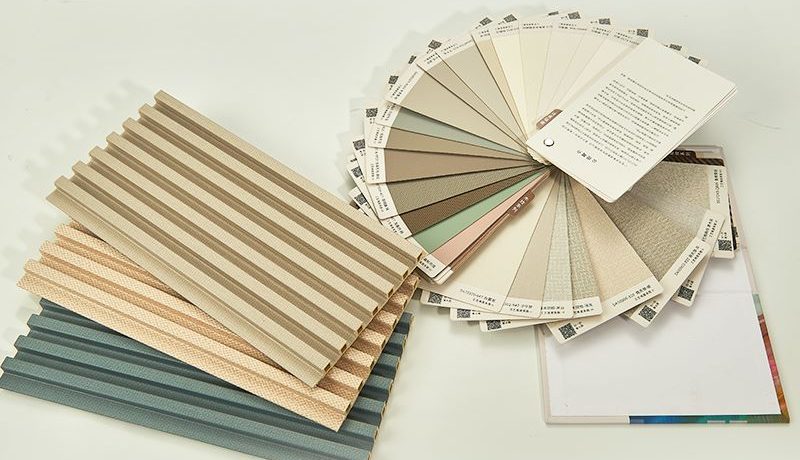
- Continuous wave or ribbed structure
- Strong visual rhythm
- Better impact distribution due to structural design
Best suited for:
- Residential walls
- Hotel interiors
- High-traffic areas
Flat and Decorative Panels
- Smooth or lightly textured surfaces
- Designed for large-area coverage
Best suited for:
- Minimalist interior design
- Background walls
- Ceiling systems
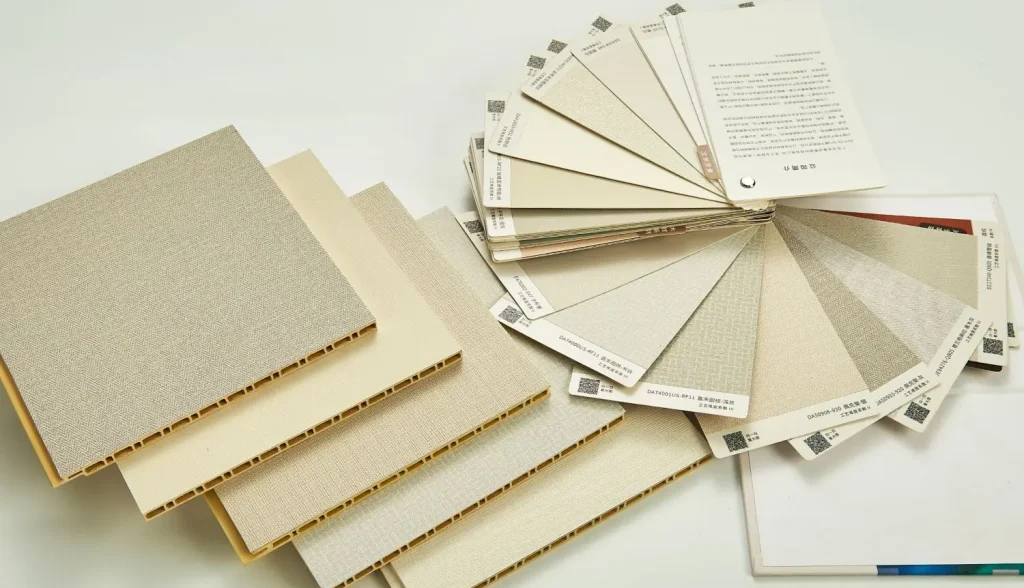
These panel types are not only aesthetic variations but also reflect differences in structure, installation, and application scenarios.
To better understand WPC wall panels, you can also check our guide A Complete Guide to WPC Wall Panels: Types and Uses.
Understanding Pricing of WPC Wall Panels in China
Pricing for wpc wall panel supplier in china is not defined by a single factor. It is typically the result of multiple variables related to material configuration, manufacturing process, and order structure.
Understanding these factors helps buyers evaluate quotations more effectively.
Key Factors That Influence Pricing
1. Material Density
Density directly affects:
- Structural strength
- Impact resistance
- Long-term stability
Higher-density panels usually require more raw material and tighter process control, which increases production cost.
2. Thickness
Common thickness ranges include:
- 9mm
- 12mm
- 15mm
- 18mm
Thicker panels generally provide:
- Better rigidity
- Improved durability
But also increase:
- Material consumption
- Transportation weight
3. Surface Finish
Different finishing methods have different cost structures:
- Embossed surfaces → moderate cost, natural texture
- Laminated film → higher consistency, broader design options
- UV coating → enhanced scratch and fade resistance
Surface treatment plays a significant role in both visual quality and lifecycle performance.
4. Order Volume
Production efficiency improves with larger volumes, which may influence:
- Unit pricing
- Production scheduling
For project-based procurement, early planning of order quantities can help optimize overall cost.
Why Pricing Structures May Vary
When comparing suppliers, differences in pricing often reflect differences in configuration rather than simple cost variation.
For example:
- Material composition ratios
- Production equipment precision
- Surface finishing processes
- Quality control standards
This is why pricing should be evaluated together with technical specifications, rather than as an isolated number.
Common Considerations When Working with Suppliers
Working with a wpc wall panel supplier in china typically involves coordination across production, logistics, and installation phases. Understanding a few key considerations helps improve project outcomes.
Batch Consistency
In large projects, materials are often delivered in multiple batches.
Even with controlled production, slight variations in:
- color tone
- surface texture
may occur if production conditions change.
Planning ahead and confirming batch arrangements helps maintain visual consistency across the project.
Color Matching Across Orders
For projects requiring large continuous surfaces:
- It is generally recommended to use panels from the same production batch within a single space
- If multiple batches are required, grouping them by area can help maintain consistency
Communication and Lead Time Planning
Production and delivery timelines may vary depending on:
- Order size
- Customization level
- Production schedule
Clear communication on:
- Lead time
- Delivery sequence
helps align supply with installation progress.
Installation Understanding
WPC wall panels typically use:
- Clip systems
- Tongue-and-groove structures
Proper installation requires:
- Flat substructure
- Expansion gap consideration
- Correct fixing method
Aligning installation understanding early helps avoid unnecessary adjustments during construction.
How to Verify a WPC Wall Panel Supplier Before Ordering
Before placing an order, a structured verification process can help ensure alignment between product expectations and actual delivery.
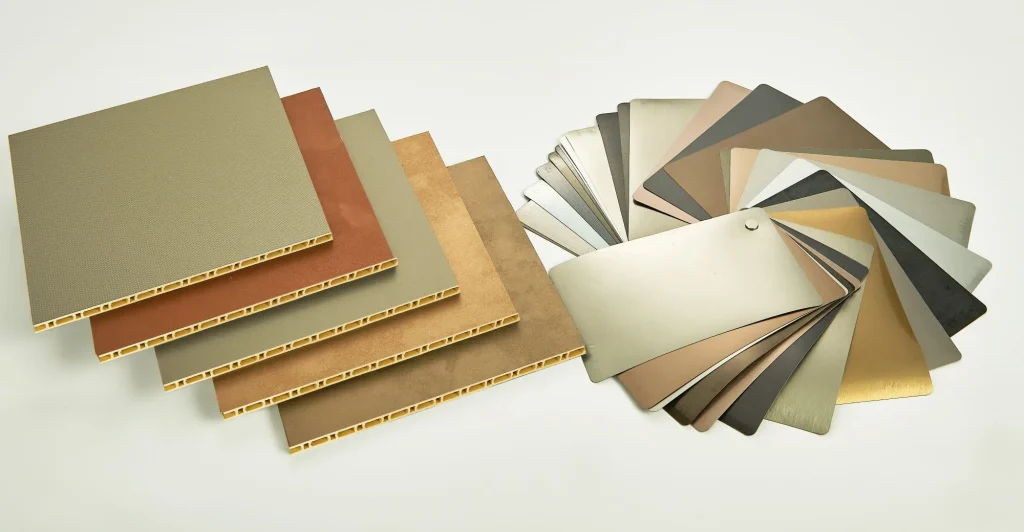
Request Product Samples
Samples allow you to evaluate:
- Surface finish
- Color accuracy
- Structural feel (rigidity, weight)
They also help confirm whether the product matches project design requirements.
Review Technical Documentation
A reliable supplier should be able to provide:
- Product specifications
- Density and thickness data
- Performance test reports
These documents support more objective evaluation.
Confirm Production and Delivery Process
Understanding how production is organized helps clarify:
- Lead time
- Batch planning
- Delivery schedule
This is especially important for phased construction projects.
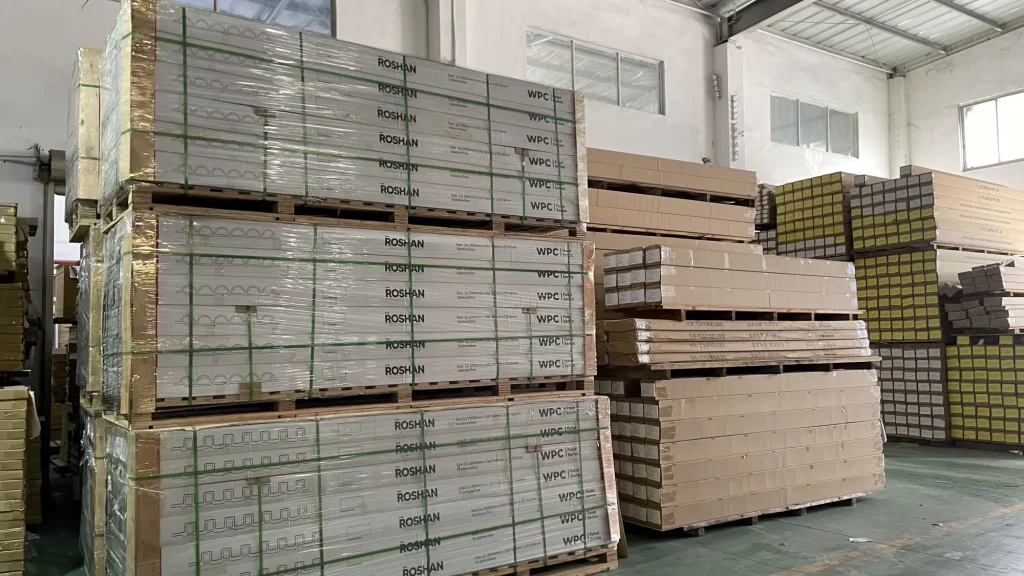
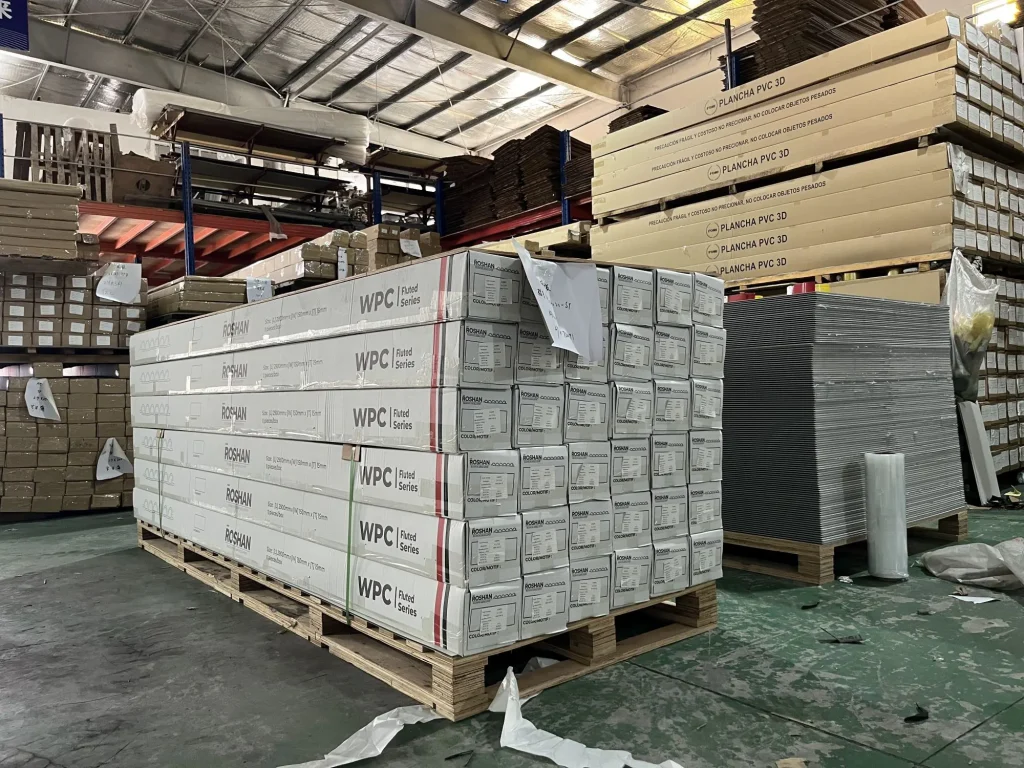
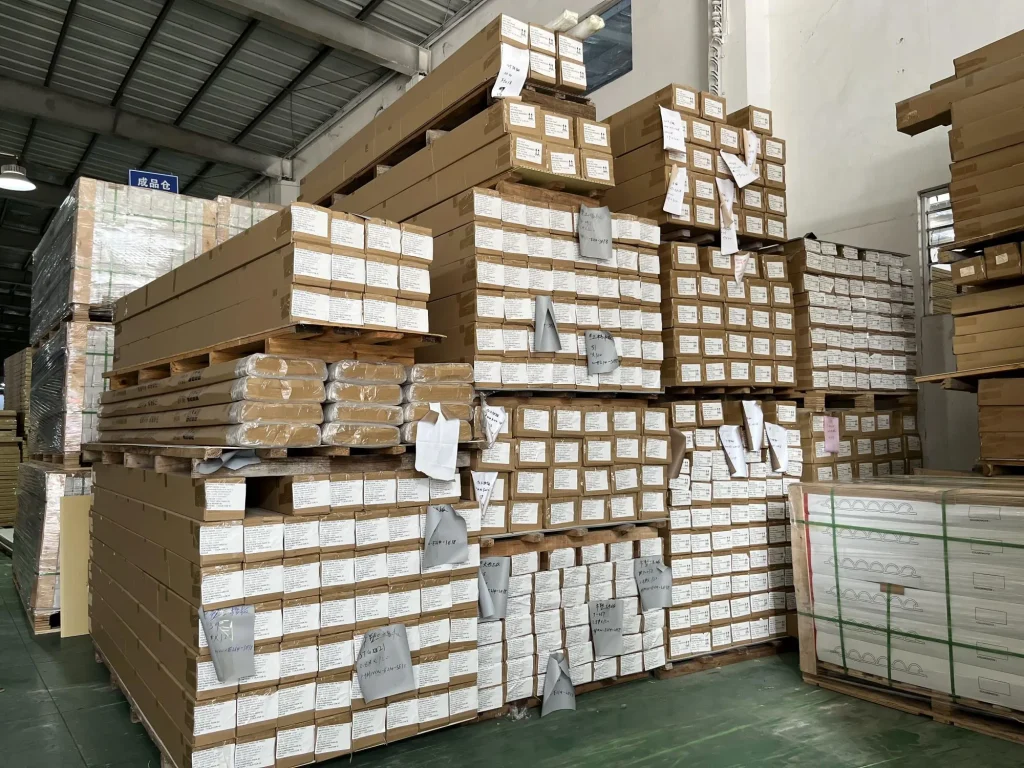
Discuss Packaging and Logistics
Packaging plays an important role in maintaining product condition during transportation.
Key points include:
- Protection against deformation
- Moisture resistance
- Handling convenience
Why Long-Term Supplier Collaboration Matters
For many construction and interior projects, material supply is not a one-time process but involves multiple phases.
In this context, supplier stability becomes an important factor.
1. Consistency Across Project Phases
Large projects often require multiple shipments over time.
Maintaining consistency in:
- color
- structure
- surface finish
helps ensure a uniform final result.
2. Coordinated Production and Delivery
A stable supplier can align production schedules with project timelines, reducing delays and adjustments.
3. Integrated Support
Suppliers with a more structured production and development system are often able to support:
- product matching across categories
- technical guidance
- project-specific adjustments
This type of support becomes more relevant in projects that involve multiple material systems or customized solutions.
Conclusion
Choosing a wpc wall panel supplier in china is not about identifying a single “best” option, but about finding a supplier whose capabilities align with your project requirements.
A practical approach includes:
- Evaluating manufacturing capability and production stability
- Understanding material structure and technical specifications
- Reviewing product range and customization flexibility
- Confirming communication, delivery, and project support
In many cases, long-term collaboration with a supplier that offers consistent production and structured support can contribute to smoother project execution and more predictable results.
About TIANAN New Materials (Integrated Manufacturing Capability)
For projects that require stable supply, consistent quality, and coordinated material systems, it is often helpful to work with manufacturers that combine production, R&D, and project support within one structure.
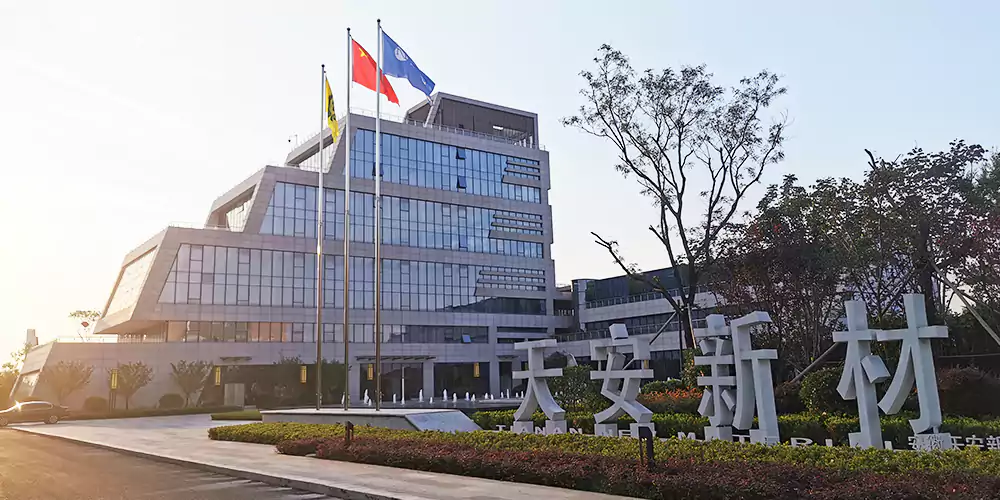
TIANAN New Materials operates as an integrated building materials manufacturer with a focus on wall panels, flooring systems, and functional materials. TIANAN was established in 2000 and is publicly listed, reflecting long-term operational stability and industry experience. Within the WPC segment, TIANAN has developed into one of the established WPC wall panel manufacturers and suppliers in China, supported by its manufacturing scale and material development capabilities.
Key Capabilities
1. Scalable Manufacturing System
- Multiple production bases with automated lines
- Capacity designed for both large-scale projects and continuous supply
- Controlled production processes to maintain batch consistency
2. Material R&D and Testing
- Dedicated engineering and quality teams
- Laboratory testing covering mechanical performance, environmental safety, and durability
- Ongoing development of material formulations and surface technologies
3. Multi-Category Product Integration
- Wall panels, SPC flooring, and related materials within one system
- Ability to support projects requiring coordinated materials
- Consistent design and performance across product categories
4. Project-Oriented Support
- Assistance with product selection and technical specifications
- Support for installation understanding and application scenarios
- Experience with international projects and delivery coordination
Rather than focusing on individual products alone, this type of integrated structure allows materials to be developed and supplied with greater consistency across different phases of a project.
If you are planning a project and would like to explore suitable WPC wall panel options or discuss specific requirements, feel free to contact timmy.wu@timotechs.com for further information.